
Amitriptyline
Amitriptyline is a tricyclic antidepressant used for depression and, in different treatment plans, selected nerve-pain or headache conditions. It can be sedating and is dangerous in overdose.
Key points
- Uses, expected benefit and adverse effects differ between depression and pain treatment.
- Amitriptyline can affect alertness, bowel and bladder function, eyes, blood pressure and heart rhythm.
- Suspected overdose, suicidal intent, seizures or fainting is an emergency.
Select a listed product and pack to order online. Whether it suits you depends on diagnosis; ask your doctor or pharmacist.
Important safety checks
Heart disease, glaucoma, urinary retention, seizures, bipolar symptoms, pregnancy and interacting antidepressants or sedatives require review. Do not stop suddenly without a clinician’s plan.
When to seek urgent care
Seek emergency help for overdose, suicidal intent, collapse, seizures, a fast or irregular heartbeat, severe confusion, inability to urinate or agitation with fever and muscle stiffness.
Further reading
What is amitriptyline used for?
Amitriptyline is a tricyclic antidepressant used for depression and, in some cases, for nerve pain or headaches. What it is meant to achieve, and the side effects you may notice, differ between these uses.
How does amitriptyline work?
Amitriptyline raises the levels of serotonin and noradrenaline in the brain by slowing their reabsorption into nerve cells. This helps lift mood and eases pain.
What amitriptyline products does SGMeds list?
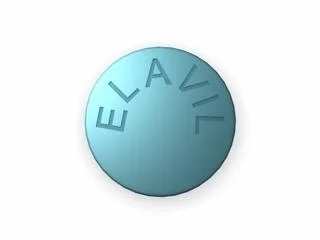
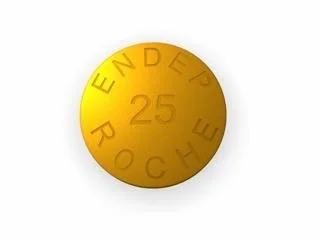
Products containing amitriptyline on SGMeds include Elavil and Endep. Compare their forms, strengths and pack sizes.
How long does amitriptyline take to work?
Amitriptyline can take 2 to 4 weeks to start working.
What are the side effects of amitriptyline?
Common side effects are dry mouth, drowsiness, dizziness and constipation. Less often, it can cause problems with urination, blurred vision, weight gain or a fast heartbeat. Tell your doctor if any of these bother you.
Can amitriptyline be taken with alcohol?
Alcohol interacts with amitriptyline, so check with your doctor or pharmacist before drinking while you take it.
What are other names for amitriptyline?
In other countries, amitriptyline is also sold as Tryptizol. Brand names vary between countries, so compare products by their active ingredient.
How is amitriptyline priced?
Each product on this page shows a price for each strength and pack size in Singapore dollars, converted from US dollars, so the exchange rate can change the final amount. Larger packs usually cost less per tablet.
Payment and prices →Can I buy amitriptyline over the counter in Singapore?
Yes, online. SGMeds does not ask for a prescription to order amitriptyline: we place the order with our pharmacy partner, which prepares it and arranges delivery on your behalf.
Ordering without a prescription →Do you deliver amitriptyline to Singapore?
Yes. Parcels go to Singapore and Malaysia by Express shipping (tracked, up to 1 week) or Regular shipping (up to 3 weeks).
How ordering works →Related articles

Compare SSRI, SNRI, mirtazapine and older antidepressant classes by treatment role, expected timeline, side-effect profile and withdrawal planning.
Read guide