
Major Depressive Disorder
Major depressive disorder is an episode of persistent low mood or loss of interest accompanied by changes in sleep, energy, thinking or function.

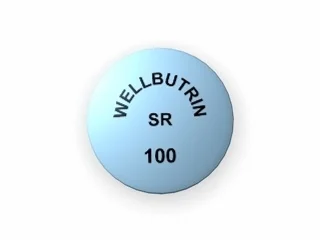
Wellbutrin SR
150mg
Wellbutrin SR is bupropion 150mg in a modified-release tablet for tobacco dependence and major depression, a weak reuptake inhibitor of two amines.


Trintellix
5 · 10 · 20mg
Vortioxetine 5mg, 10mg and 20mg tablets, used in the management of major depressive disorder. A multimodal antidepressant, not a plain SSRI.

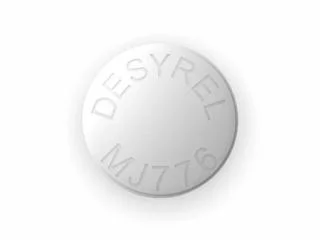
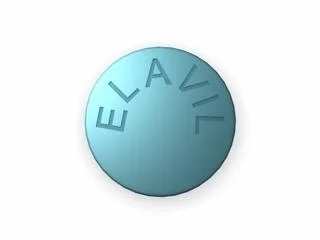




Wellbutrin
150 · 300mg
Bupropion 150mg and 300mg modified-release tablets, used in the management of major depression and tobacco dependence. An aminoketone antidepressant.
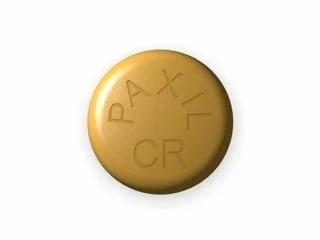
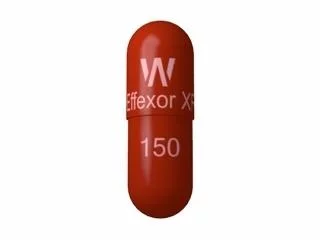
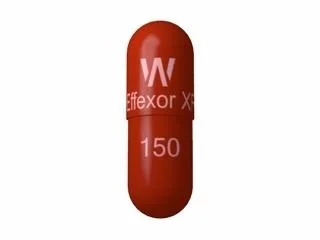
Effexor XR
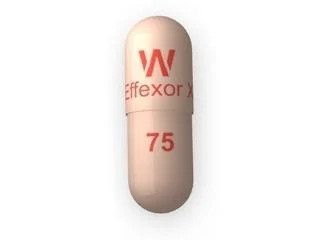
75 · 150mg
Effexor XR is venlafaxine 75mg and 150mg in a prolonged-release capsule for major depression and generalised anxiety disorder. An SNRI taken once a day.



Key points
- Diagnosis requires a sustained symptom pattern and impairment, not sadness alone, with direct assessment of self-harm risk.
- Previous mania or hypomania changes the diagnosis and makes antidepressant-only treatment potentially unsafe.
- Psychological therapy and antidepressant medicine have roles according to severity, preference, prior response and access.
The listings below are not a diagnosis or personal regimen; bipolarity, pregnancy, interactions and overdose risk affect selection.
Building a safe assessment
Clinicians ask about duration, anhedonia, sleep, appetite, concentration, guilt, agitation or slowing and suicidal thinking. Thyroid disease, anaemia, substance use, grief and medicine effects may contribute. Psychosis, catatonia and inability to eat or drink indicate severe illness.
Treatment and follow-up
Structured psychotherapy may be first-line for mild or moderate episodes and combined with medicine in more severe illness. SSRIs and other antidepressants differ in activating, sexual, sleep, cardiovascular and withdrawal effects. Early follow-up checks safety and adherence before benefit is expected.
When to seek urgent care
Get urgent help for thoughts, plans or preparations for self-harm, inability to maintain basic safety or hydration, severe agitation, psychosis, catatonia or sudden dangerous behaviour.
Further reading
Related articles

Compare SSRI, SNRI, mirtazapine and older antidepressant classes by treatment role, expected timeline, side-effect profile and withdrawal planning.
Read guide