
Panic Disorder
Panic disorder involves recurrent, unexpected panic attacks followed by persistent worry or behaviour changes related to further attacks. Because chest pain, breathlessness and palpitations can also have physical causes, a first or unusual episode should not automatically be labelled as panic.


Key points
- Common physical sensations include a racing or pounding heart, shortness of breath, chest tightness, dizziness, sweating, and a feeling of unreality or detachment.
- Assessment checks whether attacks are unexpected and recurrent and excludes heart, breathing, thyroid, medicine and substance-related causes where indicated.
- Psychological therapy is central to care; medicines may be considered according to symptom burden, other conditions and patient preference.
The listings below do not confirm panic disorder; medicine choice requires assessment of physical causes, other mental-health symptoms and adverse-effect risks.
What a panic attack actually feels like
The sudden onset is what makes panic attacks so alarming. Many people describe an overwhelming conviction that something is seriously wrong, a heart attack, suffocation, or loss of control. Most attacks subside within 10 to 20 minutes, though the aftermath can leave a person exhausted and on edge for hours.
How panic disorder is managed
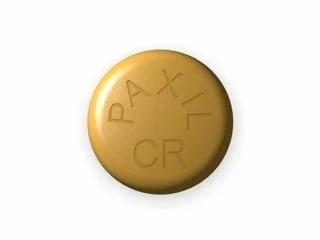
Cognitive behavioural therapy can help people reinterpret physical sensations and gradually re-engage with avoided situations. Medicines, including some antidepressants such as escitalopram, sertraline or paroxetine, may be considered after assessment. Choice depends on other conditions, interactions, adverse effects and patient preference; improvement is reviewed over time.
When to seek urgent care
Call emergency services for new or severe chest pressure, fainting, marked breathing difficulty, one-sided weakness, or symptoms that differ from previous assessed panic attacks. Urgent mental-health help is also needed for suicidal thoughts, intent to self-harm or inability to stay safe.
Further reading
Related articles

22 Sept 2026 ⋅ 7 min read
Anxiety Medicines: Daily Treatment vs Short-Term Relief
Understand why daily SSRI or SNRI treatment and short-term anxiety medicines have different roles, timelines, risks and review questions.
Read guide