
Oedema
Oedema is visible or palpable swelling caused by excess fluid accumulating in body tissues.
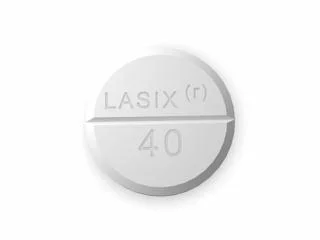
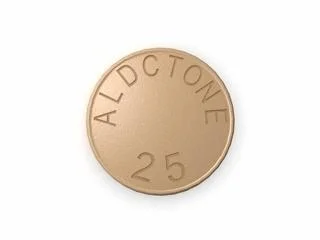
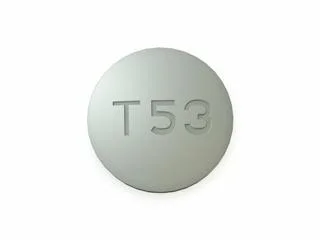
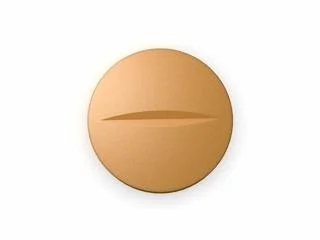
Amiloride Tablets
5mg
Amiloride 5mg tablets, used in the management of hypertension and oedema. A potassium-sparing diuretic: sodium and water leave, potassium is held back.
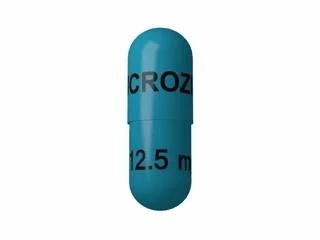
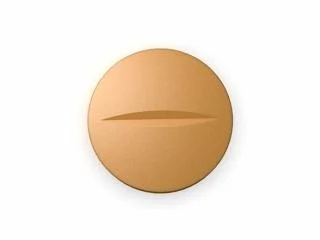

Key points
- Sudden one-sided leg swelling raises concern for a clot, while gradual bilateral swelling suggests venous or systemic causes.
- Heart, kidney, liver and thyroid disease, pregnancy and several medicines can produce oedema.
- Diuretics help fluid-overload states but can worsen dehydration or kidney function when swelling has another cause.
The listings below do not identify why fluid has accumulated; examination, organ function and medication review should guide treatment.
Finding the pattern
Location, symmetry, onset, pitting, breathlessness and weight change provide clues. Urine, kidney and liver tests, heart assessment or venous ultrasound are selected accordingly. Lymphoedema may become firm and non-pitting, while infection usually adds warmth and pain.
Treating the cause
Heart-failure congestion may need diuresis, while venous swelling benefits from movement, elevation and selected compression after arterial assessment. Lymphoedema uses specialist compression and skin care. Stopping a culprit medicine or treating protein loss may be more useful than escalating a water tablet.
When to seek urgent care
Seek emergency care for swelling with severe breathlessness, chest pain, fainting or coughing blood, or a leg that becomes suddenly painful, pale, cold or markedly one-sided.