
Anxiety
Anxiety is the body’s threat response; it becomes clinically important when worry, fear or physical arousal is persistent, disproportionate or disruptive.

Key points
- Palpitations, breathlessness, nausea and dizziness can occur with anxiety, but new physical symptoms should not automatically be attributed to it.
- Sleep, caffeine, alcohol, stimulants and avoidance can maintain symptoms even when they were not the original trigger.
- Treatment should match the pattern and impact, from practical self-management and therapy to monitored medicine when needed.
The listings below do not establish an anxiety disorder or replace assessment of possible medical and substance-related causes.
Understanding the pattern
Useful questions include what triggers symptoms, how long they last, what situations are avoided and whether panic, low mood, trauma or obsessive thoughts are present. Thyroid problems, anaemia, arrhythmia and medicine effects can overlap with anxiety. A clinician can decide whether examination or tests are indicated.
What can help
Regular sleep, reducing excess caffeine, gradual return to avoided situations and structured breathing techniques may reduce symptoms. Cognitive behavioural therapy has a strong role. SSRIs or SNRIs may be considered for persistent disorders; benefit is delayed and stopping suddenly can cause withdrawal effects.
When to seek urgent care
Get urgent help for thoughts or plans of self-harm, inability to maintain basic safety, severe confusion or agitation, collapse, or new chest pain, weakness or speech difficulty.
Further reading
What causes anxiety?
Anxiety is the body's threat response. It becomes a concern when worry, fear or physical tension is persistent, out of proportion or disruptive. Thyroid problems, anaemia, an irregular heartbeat and some medicines can cause similar symptoms.
When should I get urgent help for anxiety?
Get urgent help for thoughts or plans of self-harm, not being able to keep yourself safe, severe confusion or agitation, collapse, or new chest pain, weakness or speech difficulty.
What can I order for anxiety?
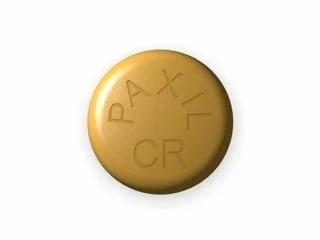
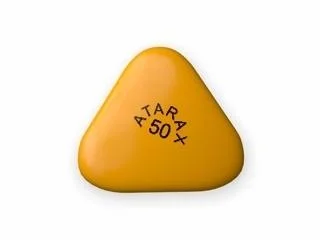
SGMeds lists products containing doxepin, hydroxyzine and paroxetine for anxiety, for example Sinequan (doxepin) and Atarax (hydroxyzine). Each product page gives the strengths and forms.
Can caffeine and alcohol affect anxiety?
Caffeine, alcohol, poor sleep, stimulants and avoiding situations can keep symptoms going even when they were not the original trigger. Cutting down on excess caffeine may help.
Can I order medicines for anxiety without a prescription?
Yes. SGMeds does not ask for a prescription to order medicines for anxiety: we place the order with our pharmacy partner, which prepares it and arranges delivery on your behalf.
Ordering without a prescription →Where can I buy medicines for anxiety online?
You can order them here on SGMeds: choose the product, strength and pack, then check out. Parcels go to Singapore and Malaysia by Express shipping (tracked, up to 1 week) or Regular shipping (up to 3 weeks).
How ordering works →