
Dutasteride
Dutasteride reduces conversion of testosterone to dihydrotestosterone. It can gradually shrink an enlarged prostate; use for androgenetic alopecia varies by clinical setting.
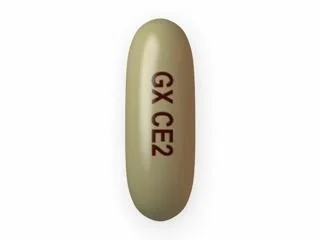
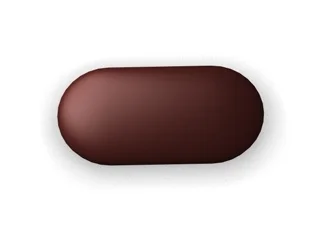

Key points
- Dutasteride acts gradually and does not provide immediate relief of urinary obstruction.
- It changes PSA levels, so clinicians interpreting prostate tests need to know it is being used.
- Inability to urinate, severe lower-abdominal pain or facial swelling with breathing difficulty needs urgent care.
Select a listed product and pack to order online. Supply depends on stock and destination rules; ask your doctor or pharmacist whether it suits you.
What Dutasteride is used for
It may be used for benign prostatic hyperplasia to reduce prostate volume and progression risk. Hair-loss use should be confirmed against the product and local clinical context rather than inferred from a listing.
How it works
Dutasteride inhibits both major forms of 5-alpha-reductase, lowering dihydrotestosterone in the prostate and scalp.
Important safety checks
Urinary symptoms still need assessment because infection, stones and cancer can look similar. PSA monitoring, liver disease, fertility concerns and sexual or breast symptoms require review. Anyone who is pregnant or could become pregnant should not handle leaking capsules because dutasteride can harm a male fetus.
When to seek urgent care
Seek urgent help for inability to urinate with severe lower-abdominal pain, visible blood in urine with weakness, facial or throat swelling, breathing difficulty or a severe widespread rash.
Further reading
What is dutasteride used for?
Dutasteride is used for benign prostatic hyperplasia (an enlarged prostate). It is also used for androgenetic alopecia (male-pattern hair loss), although this use depends on the product.
How does dutasteride work?
Dutasteride blocks both major forms of 5-alpha-reductase, the enzyme that turns testosterone into dihydrotestosterone. This lowers dihydrotestosterone in the prostate and scalp, which shrinks the prostate over time and helps slow hair loss.
Which products contain dutasteride?
Products containing dutasteride on SGMeds include Avodart, Dutas and Jalyn. Compare their forms, strengths and pack sizes.
How long does dutasteride take to work?
Dutasteride works slowly, so relief from urinary symptoms does not come straight away. Full effects are usually expected over 3 to 6 months.
What are the side effects of dutasteride?
Common side effects can include impotence, decreased libido and breast tenderness or enlargement. Ejaculation disorders and dizziness are also possible. Serious allergic reactions or depression need immediate medical attention.
Who should not take dutasteride?
Do not take it if you are allergic to dutasteride or have severe liver disease. Women who are pregnant or could become pregnant should not take it or handle leaking capsules, as dutasteride can harm a developing male baby.
What does dutasteride cost in Singapore dollars?
Each product on this page shows a price for each strength and pack size in Singapore dollars, converted from US dollars, so the exchange rate can change the final amount. Larger packs usually cost less per tablet.
Payment and prices →Can I order dutasteride without a prescription?
Yes. SGMeds does not ask for a prescription to order dutasteride: we place the order with our pharmacy partner, which prepares it and arranges delivery on your behalf.
Ordering without a prescription →Do you deliver dutasteride to Singapore?
Yes. We deliver to Singapore and Malaysia. Express shipping is tracked and takes up to 1 week, and Regular shipping takes up to 3 weeks.
How ordering works →