
Androgenetic Alopecia
Androgenetic alopecia is progressive pattern hair loss in genetically susceptible people, producing recession or crown thinning in men and widening of the central part in women.
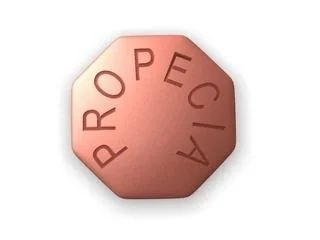


Cyproterone Acetate and Ethinylestradiol Tablets
2/0.035mg
Cyproterone acetate with ethinylestradiol as a film-coated tablet, used for severe acne, hirsutism and androgenetic alopecia. An anti-androgen with an oestrogen.
Key points
- Gradual patterned thinning differs from sudden shedding, smooth patches and inflamed or scarring scalp disease.
- Treatment can preserve or thicken miniaturised hair but does not reliably restore follicles that have been inactive for years.
- Benefits take months and usually diminish after treatment stops, so expectations and long-term tolerability matter.
The listings below do not confirm the diagnosis; pregnancy possibility, cardiovascular history and the pattern of loss affect suitability.
Confirming the pattern
History, scalp examination and dermoscopy are often sufficient. Blood tests may be useful when loss is diffuse or accompanied by menstrual change, excess facial hair, weight change or symptoms of iron or thyroid disease. Redness, scale, pain or shiny scarred areas warrant dermatology review.
Treatment choices
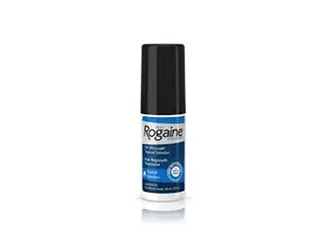
Topical minoxidil can be used by different sexes and may cause temporary initial shedding or irritation. Oral anti-androgen approaches have sex-specific pregnancy and monitoring concerns. Hair transplantation and cosmetic fibres are options for selected people; photographs taken under consistent conditions help judge response.
When to seek urgent care
Pattern hair loss is not an emergency. Seek prompt assessment for rapid widespread loss, scalp pain or scarring, signs of infection, or hair loss following a severe medicine reaction.
Further reading
Related articles

22 Sept 2026 ⋅ 7 min read
Women's Hair Loss: Why Pattern and Cause Change the Treatment
Compare gradual patterned thinning with diffuse shedding, patchy loss and scalp disease before considering minoxidil or prescription options.
Read guide