
Actinic Keratosis
Actinic keratosis is a rough or scaly area of sun-damaged skin that can occasionally develop into squamous cell skin cancer.
Key points
- A persistent gritty patch on a sun-exposed area should be examined, especially if it thickens, hurts or bleeds.
- Treatment choice depends on the number, location and thickness of lesions and whether a wider field of skin is sun-damaged.
- Sun protection reduces further damage but does not reliably remove an established lesion.
The listings below do not confirm that a lesion is actinic keratosis; suspicious skin changes need direct examination.
Confirming the diagnosis
Actinic keratoses often occur on the face, ears, scalp, forearms or backs of the hands. They may be easier to feel than see. A clinician may use dermoscopy or biopsy a thick, tender, rapidly growing or ulcerated lesion to exclude invasive cancer.
Treatment options
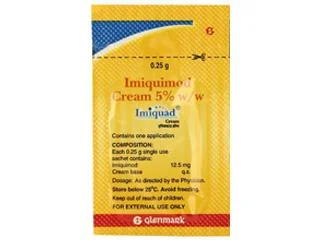
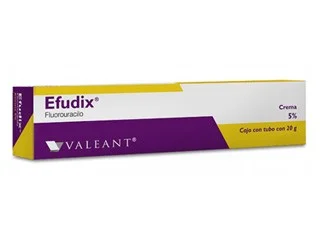
Freezing can treat isolated lesions. Prescription creams such as fluorouracil or imiquimod can treat multiple visible and early surrounding changes, but commonly cause a planned inflammatory reaction and require clear instructions. Other procedures may suit particular sites or lesion types.
When to seek urgent care
Arrange prompt assessment if a lesion grows rapidly, becomes persistently painful, bleeds repeatedly, ulcerates or forms a firm raised lump.