
Basal Cell Carcinoma
Basal cell carcinoma (BCC) is a skin cancer arising from basal cells, usually growing locally over time rather than spreading to distant organs.

Key points
- A pearly bump, non-healing sore or repeatedly bleeding patch on sun-exposed skin should be examined.
- Biopsy confirms the diagnosis and subtype before treatment when the appearance is not definitive.
- Surgery offers the most reliable clearance for many BCCs, while topical treatment suits only selected superficial, lower-risk lesions.
The listings below do not confirm BCC or replace procedural assessment; location, borders, subtype and recurrence risk determine treatment.
Defining risk
Size, depth, histological subtype, border definition and location influence recurrence risk. Lesions around the eyes, nose, ears and lips require particular care because tissue preservation and complete clearance matter. A previous BCC also raises the likelihood of developing another.
Treatment choices
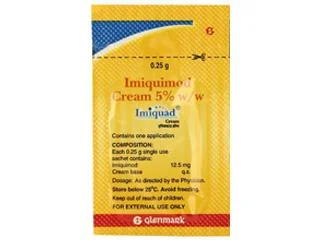
Standard excision, curettage, cryotherapy or Mohs surgery may be selected according to risk and site. Imiquimod or fluorouracil can treat some superficial BCCs but are not appropriate for aggressive or deeply invasive disease. Follow-up includes checking the treated site and sun-damaged skin elsewhere.
When to seek urgent care
Arrange prompt assessment for rapid growth, persistent bleeding, ulceration, severe pain, numbness or a lesion affecting the eyelid, vision, nose or lip function.