
Nasal Polyps
Nasal polyps are soft, painless growths that develop in the lining of the nasal passages or sinuses. They stem from chronic inflammation and, when large enough, can block airflow, muffle the sense of smell, and contribute to persistent sinus congestion. They are more common in adults with long-standing allergic rhinitis, asthma, or sensitivity to aspirin.
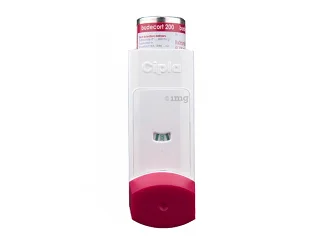
Key points
- Nasal blockage and reduced smell can suggest polyps, but one-sided symptoms or bleeding require examination for another cause.
- Intranasal corticosteroids reduce inflammation and polyp size but need correct technique and consistent use.
- Asthma and reactions to aspirin or other NSAIDs may be part of the same inflammatory condition.
A nasal-steroid listing cannot confirm polyps; examination or endoscopy, symptom pattern and other airway disease guide treatment.
How are nasal polyps assessed?
Clinicians inspect the nasal passages and may use endoscopy or imaging when disease is extensive, recurrent or one-sided. Allergy, asthma, aspirin sensitivity and chronic sinus inflammation affect the overall plan.
What treatments can reduce obstruction?
Budesonide reduces local inflammation but may not fully restore smell or airflow. Selected severe disease may need a short systemic treatment, biologic therapy or endoscopic surgery. Recurrence remains possible; see respiratory health for class context.
When to seek urgent care
Seek urgent care for eye swelling, double vision or reduced vision, severe frontal headache, neurological symptoms, high fever with marked illness, or rapidly increasing one-sided facial swelling.