Ventolin Evohaler
100mcg
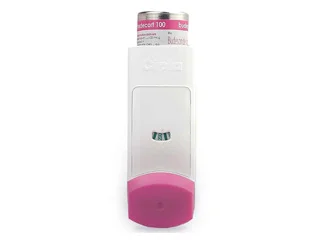
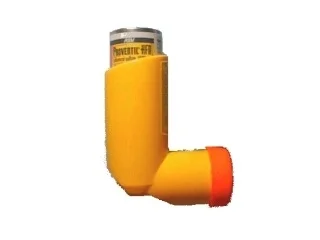
Ventolin Evohaler is salbutamol 100mcg as a pressurised inhalation solution for asthma and COPD, a fast-acting beta2 agonist.
From$20.40/ inhalerView
Chronic obstructive pulmonary disease (COPD) is persistent airflow limitation caused by damage to airways and lung tissue, most often from inhaled exposures.
100mcg
Ventolin Evohaler is salbutamol 100mcg as a pressurised inhalation solution for asthma and COPD, a fast-acting beta2 agonist.
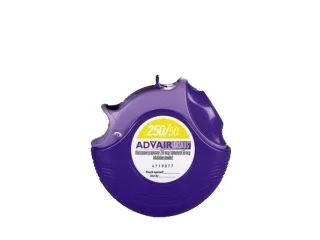
100/50 · 250/50 · 500/50mcg
Salmeterol with fluticasone inhalation powder in three strengths, used in the management of asthma and COPD. A long-acting beta2-agonist with a corticosteroid.
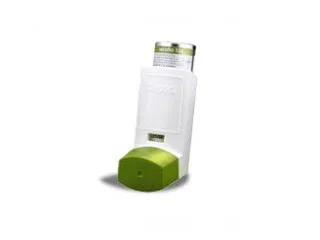
25/125 · 25/250mcg
Seroflo Inhaler carries fluticasone with salmeterol as a pressurised suspension for asthma and COPD, a corticosteroid with a long-acting agonist.
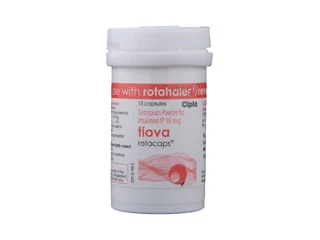
15caps
Tiova Rotacap is tiotropium in hard capsules loaded into a device, for chronic obstructive pulmonary disease. A long-acting M3 antagonist.
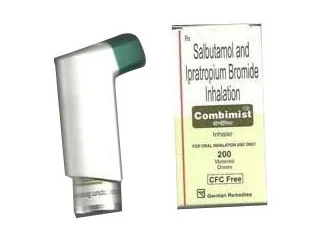
50/20mcg
Combimist L Inhaler pairs levosalbutamol with ipratropium as a pressurised inhalation for COPD and asthma. A beta2-agonist with an antimuscarinic.
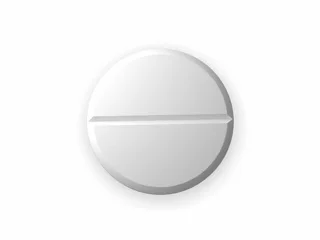
2 · 4mg
Ventolin Pills are salbutamol 2mg and 4mg tablets for asthma and COPD, the swallowed form of the beta2 agonist rather than the inhaled one.
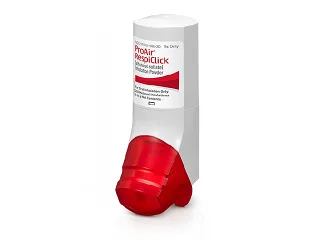
100mcg
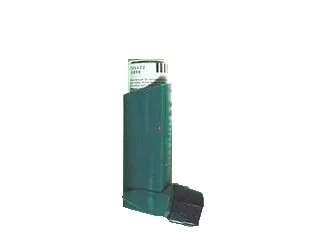
Proair Inhaler is salbutamol 100mcg as a pressurised suspension for asthma and COPD, a short-acting beta2 agonist for quick airway opening.
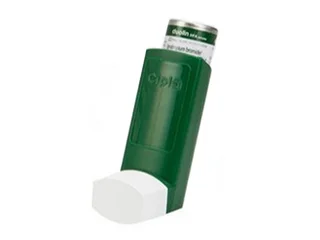
9mcg
Tiova Inhaler is tiotropium 9mcg as an inhalation powder for chronic obstructive pulmonary disease, blocking muscarinic receptors in the airway.
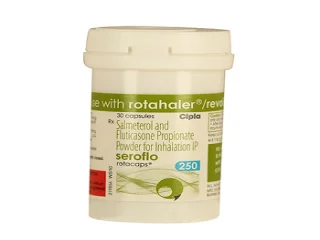
50/250mg
Advair Rotahaler carries fluticasone with salmeterol as an inhalation powder for asthma and COPD, pairing an inhaled corticosteroid with a beta2-agonist.
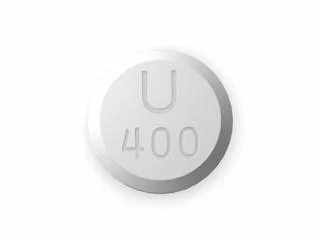
400mg
Theo-24 CR is theophylline 400mg in a modified-release capsule for asthma and COPD, a methylxanthine that relaxes the bronchial muscle.
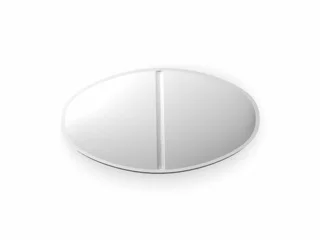
400mg
Uniphyl CR is theophylline 400mg as a modified-release tablet rather than a capsule, for asthma and COPD. It inhibits the phosphodiesterase enzymes.
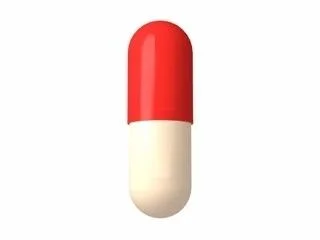
200mg
Theo-24 SR is theophylline at the lower 200mg modified-release strength for asthma and COPD, a xanthine that raises cyclic AMP in the airway.
The listings below are not a complete COPD plan; symptoms, exacerbations, eosinophils, technique and comorbidities affect inhaler choice.
Clinicians review breathlessness, cough, daily activity and previous flare-ups, then check inhaler technique and oxygen saturation. CT is not required for routine diagnosis but may identify emphysema or another condition. Alpha-1 antitrypsin deficiency testing is considered according to age, history and guidance.
One or two long-acting bronchodilators form the basis for many symptomatic patients. Inhaled corticosteroid can reduce exacerbations in selected people but raises pneumonia risk. A written flare plan, pulmonary rehabilitation and nutrition support help maintain independence; oxygen is prescribed only when objective criteria are met.
Seek emergency care for severe or rapidly worsening breathlessness, blue or grey lips, confusion, drowsiness, chest pain, coughing blood or inability to speak in full sentences.