
Benign Prostatic Hyperplasia
Benign prostatic hyperplasia (BPH) is age-related, non-cancerous enlargement of the prostate that may narrow the urinary outlet and affect bladder emptying.



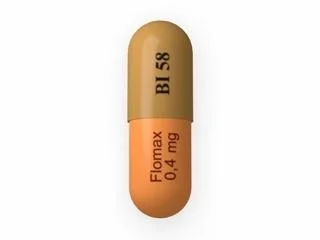


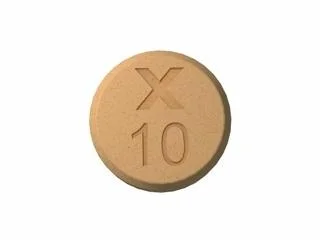

Key points
- Symptom severity and impact matter more than prostate size alone when deciding whether treatment is needed.
- Blood in urine, recurrent infection, retention or kidney effects require investigation rather than routine symptom treatment.
- Alpha blockers act relatively quickly on outlet resistance, while 5-alpha-reductase inhibitors work slowly and suit enlarged prostates.
The listings below do not establish BPH or exclude prostate cancer; blood pressure, sexual effects and other medicines affect selection.
Assessing urinary symptoms
Clinicians ask about weak stream, hesitancy, urgency, frequency, night urination and incomplete emptying. Examination, urine testing and sometimes PSA, kidney function, flow measurement or bladder scan help exclude infection and assess complications. Some cold and allergy medicines can worsen obstruction.
Treatment options
Mild symptoms may be managed with fluid timing and medicine review. Alpha blockers can cause dizziness and ejaculation changes. Finasteride or dutasteride can shrink an enlarged prostate over months and affect PSA interpretation. Persistent obstruction or complications may need a procedure.
When to seek urgent care
Seek urgent care for complete inability to urinate, fever with urinary symptoms, severe lower abdominal pain, heavy blood or clots in urine, confusion or new weakness and numbness.