
Desmopressin
Desmopressin is a synthetic vasopressin analogue that reduces urine production. Its use and safety instructions differ by condition and formulation, with low blood sodium being the central preventable risk.

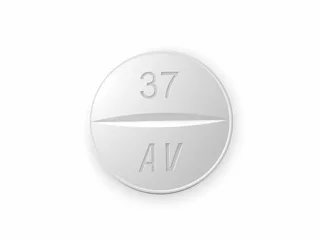
Key points
- Desmopressin may be used for central Diabetes Insipidus, selected Nocturnal Enuresis or nocturia, and some bleeding disorders.
- Drinking too much fluid around treatment can cause water retention and dangerous hyponatraemia.
- Severe headache, vomiting, confusion, unusual drowsiness or seizures requires urgent medical care.
Select a listed product and pack to order online. Product information is not a personal treatment plan. Whether it suits you depends on the exact indication, formulation and sodium or kidney assessment; ask your doctor or pharmacist.
Clinically meaningful forms
Tablets and orodispersible tablets may have different instructions and are not automatically interchangeable. Other desmopressin formulations can be used for different indications. Follow the product-specific fluid advice and do not substitute one form for another without clinical confirmation.
Important safety checks
Kidney function, baseline sodium, fluid intake and medicines that increase hyponatraemia risk should be reviewed. Vomiting, diarrhoea, fever, heavy exercise or other situations that alter fluid balance may make treatment unsafe. People who cannot follow fluid restriction or who have certain heart, kidney or sodium disorders require particular caution.
When to seek urgent care
Stop and obtain urgent medical advice for severe or persistent headache, nausea or vomiting, rapid weight gain, swelling, confusion, unusual sleepiness, muscle cramps or seizures. These can be signs of water intoxication and low sodium.