
Urinary Incontinence
Urinary incontinence is involuntary urine leakage. Stress, urgency, overflow and functional incontinence have different mechanisms, and mixed patterns are common.
Key points
- Leakage with coughing or exertion differs from urgency leakage and from overflow caused by incomplete emptying.
- A bladder diary, urine test and examination help match pelvic-floor, bladder-training, medicine or procedural treatment to the pattern.
- Sudden incontinence with neurological symptoms or urinary retention is not routine overactive bladder.
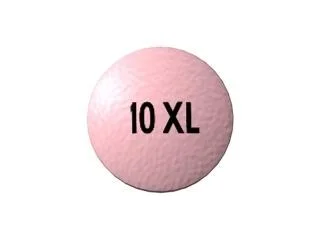
An overactive-bladder listing cannot identify the incontinence type; residual urine, cognition, medicines, glaucoma and bowel function affect safe care.
How is the type identified?
Stress leakage follows pressure such as coughing. Urgency leakage follows a compelling need to void. Continuous dribbling or poor stream can suggest overflow or a fistula. Childbirth, prostate disease, constipation, diabetes and neurological disorders add context.
How do treatments differ?
Pelvic-floor training is central for stress incontinence; bladder training can help urgency. Oxybutynin may reduce urgency but can cause dry mouth, constipation, blurred vision and cognitive effects. See bladder health for class context.
When to seek urgent care
Seek emergency care for new incontinence with leg weakness, groin numbness or severe back pain. Inability to urinate, fever with flank pain, visible blood with clots or sudden confusion also needs urgent assessment.