
Disulfiram
Disulfiram is used within a supervised treatment plan for Alcohol Dependence. It does not reduce alcohol withdrawal risk or cure dependence; it deters drinking by causing an unpleasant and potentially dangerous reaction with alcohol.
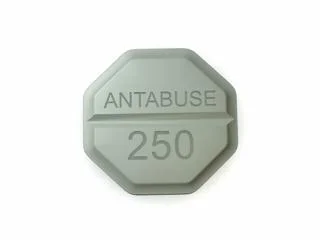
Key points
- Disulfiram should begin only after a clinician confirms that alcohol has cleared and the person understands and agrees to treatment.
- Alcohol in drinks, medicines, mouth products, foods or topical products can trigger a reaction during treatment and for a period after it stops.
- Chest pain, fainting, severe breathlessness, confusion or a very fast or irregular heartbeat after alcohol exposure is an emergency.
Select a listed product and pack to order online. Product information is not an addiction-treatment plan. Whether it suits you depends on informed participation and liver review; ask your doctor or pharmacist.
How disulfiram works
Disulfiram blocks aldehyde dehydrogenase, causing acetaldehyde to accumulate after alcohol exposure. Flushing, headache, nausea and palpitations can occur, while severe reactions can affect blood pressure, heart rhythm, breathing or consciousness.
Important safety checks
Liver disease, heart disease, severe mental-health symptoms, pregnancy and medicines that interact with disulfiram require review. Baseline and follow-up liver tests may be used. Disulfiram works best as one part of Addiction Recovery with counselling, follow-up and a plan for cravings or return to drinking.
When to seek urgent care
Call emergency services for collapse, chest pain, severe breathlessness, confusion, seizures or a very fast or irregular heartbeat after alcohol exposure. Stop and seek prompt medical advice for jaundice, dark urine, severe abdominal pain, marked tiredness or new severe mood or behaviour changes.