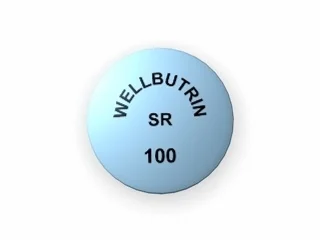
Wellbutrin SR
150mg
Wellbutrin SR is bupropion 150mg in a modified-release tablet for tobacco dependence and major depression, a weak reuptake inhibitor of two amines.
From$1.12/ tabletView
Tobacco dependence is continued tobacco use driven by nicotine adaptation, cravings and learned cues despite harm or a wish to stop. It is treatable, and repeated quit attempts are common rather than evidence of failure.
150mg
Wellbutrin SR is bupropion 150mg in a modified-release tablet for tobacco dependence and major depression, a weak reuptake inhibitor of two amines.

150 · 300mg
Bupropion 150mg and 300mg modified-release tablets, used in the management of major depression and tobacco dependence. An aminoketone antidepressant.
Catalogue matches do not select a cessation medicine or provide a safe personal quit plan.
Nicotine reaches brain reward pathways quickly, while repeated pairings with meals, stress or social situations create strong cues. Withdrawal changes over time, but environmental and emotional triggers can remain and need practical alternatives.
Bupropion may reduce withdrawal and cravings for selected adults but is unsuitable with some seizure or eating-disorder risks. Medicine works alongside coaching, trigger planning and follow-up; see addiction recovery.
Seek urgent help for suicidal thoughts, seizure, severe allergic reaction, chest pain or serious breathing difficulty. Promptly report marked mood or behavioural change after starting treatment.