
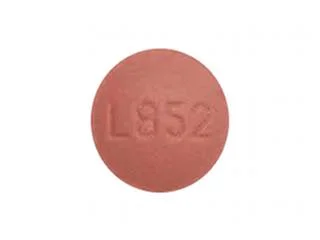
Ranitidine Tablets
Peptic Ulcer Disease
150 · 300mg
Ranitidine 150mg and 300mg tablets, used for peptic ulcer disease and reflux disease. An H2-receptor antagonist that cuts stomach acid.
From$0.21/ tabletView
Ranitidine is an H2-receptor blocker that reduces stomach-acid production. Many ranitidine products were withdrawn after contamination concerns, so current product status must be checked rather than assumed.
Peptic Ulcer Disease
150 · 300mg
Ranitidine 150mg and 300mg tablets, used for peptic ulcer disease and reflux disease. An H2-receptor antagonist that cuts stomach acid.
Select a listed product and pack to order online. Ask your doctor or pharmacist whether it suits you.
Ranitidine was used for gastro-oesophageal reflux disease and peptic ulcer disease. Ongoing reflux, swallowing difficulty, unexplained weight loss or recurrent symptoms needs assessment rather than prolonged self-treatment.
Ranitidine blocks histamine H2 receptors on stomach cells, reducing acid secretion. This does not address every cause of chest or upper-abdominal discomfort.
Do not restart a stored supply without a pharmacist checking the product. Kidney impairment can affect ranitidine exposure, and acid-reducing medicines can alter the absorption of some other medicines.
Seek urgent help for vomiting blood, black stools, severe or persistent abdominal pain, fainting, chest pain, difficulty swallowing, facial swelling or breathing difficulty.