
Gastro-oesophageal Reflux Disease
Gastro-oesophageal reflux disease (GORD) is repeated reflux of stomach contents that causes troublesome symptoms or injury to the oesophagus. Heartburn and regurgitation are typical, but chest or swallowing symptoms need careful assessment.
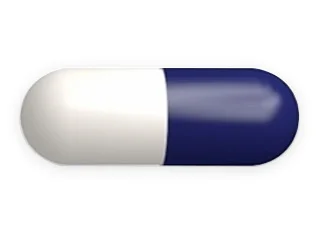
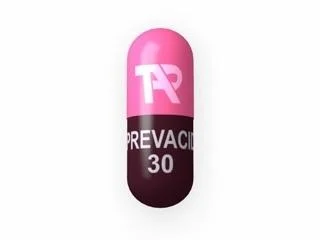
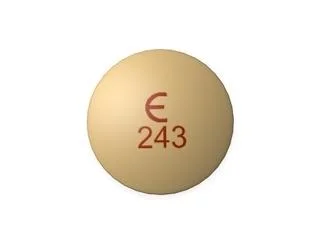
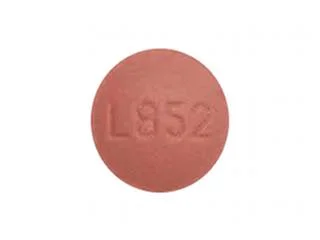
Ranitidine Tablets
150 · 300mg
Ranitidine 150mg and 300mg tablets, used for peptic ulcer disease and reflux disease. An H2-receptor antagonist that cuts stomach acid.
Key points
- Meal timing, body position and individual triggers can affect reflux, but persistent symptoms may still need medicine or investigation.
- Acid suppression can heal acid-related injury; it does not explain every cough, chest pain or throat symptom.
- Difficulty swallowing, bleeding or unexplained weight loss are alarm features rather than routine reflux symptoms.
Acid-suppressing listings do not confirm GORD; symptom pattern, alarm features, other medicines and the need for endoscopy affect management.
What symptoms can reflux cause?
Heartburn often rises behind the breastbone after meals or when lying down. Regurgitation can leave a sour taste. Cough, hoarseness and throat discomfort have many possible causes, so response to an acid medicine alone does not prove reflux is responsible.
How is GORD managed?
Smaller meals, avoiding food close to bedtime, weight management where relevant and raising the head of the bed can reduce episodes. Trigger foods vary and broad restriction is rarely useful.
Proton pump inhibitors such as lansoprazole, rabeprazole and dexlansoprazole reduce acid. Choice and duration depend on symptom frequency, oesophageal injury, interactions and response. See digestive health for related information.
When to seek urgent care
Call emergency services for new severe chest pressure, breathlessness, sweating or pain spreading to the arm or jaw. Seek urgent assessment for vomiting blood, black stools, food stuck in the oesophagus, repeated vomiting or fainting.