
Peptic Ulcer Disease
Peptic ulcer disease describes open sores that form in the lining of the stomach or the upper part of the small intestine. The protective mucus layer breaks down, leaving tissue exposed to stomach acid.
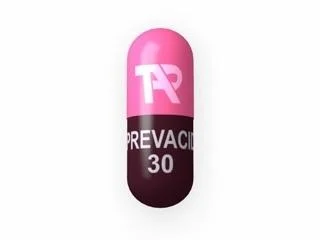
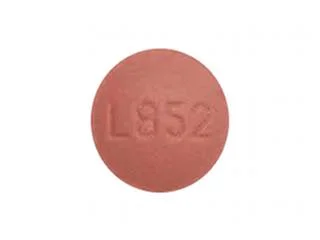
Ranitidine Tablets
150 · 300mg
Ranitidine 150mg and 300mg tablets, used for peptic ulcer disease and reflux disease. An H2-receptor antagonist that cuts stomach acid.
Key points
- Helicobacter pylori infection and regular non-steroidal anti-inflammatory drug use are major causes; identifying the cause matters because treatment differs.
- Testing for H. pylori, reviewing NSAID use and checking for bleeding guide treatment and follow-up.
- Treatment focuses on reducing acid long enough for the lining to repair itself.
The listings below do not confirm an ulcer or its cause; acid suppression alone may be insufficient when H. pylori, ongoing NSAID exposure or a complication is present.
What breaks the lining down
Two causes account for the vast majority of cases worldwide. The first is infection with Helicobacter pylori, a bacterium that weakens the stomach’s defences, H. The second is regular use of non-steroidal anti-inflammatory drugs (NSAIDs) such as ibuprofen or aspirin, which reduce the prostaglandins that help protect the gut wall.
Relieving acid and letting the ulcer heal
Acid suppression supports healing; lansoprazole is one proton-pump inhibitor used for this purpose. When H. pylori is confirmed, eradication treatment combines appropriate antibiotics with acid suppression. Ulcers related to anti-inflammatory medicines require a review of that medicine and the person’s bleeding risk. See digestive health for related catalogue entries.
When to seek urgent care
Seek urgent care for severe or worsening abdominal pain, vomiting blood, black or heavily bloody stools, a rigid or swollen abdomen, fainting, confusion, or signs of severe dehydration.