
Open-angle Glaucoma
Open-angle glaucoma is chronic optic-nerve damage occurring while the eye’s drainage angle remains open, usually progressing without early symptoms.
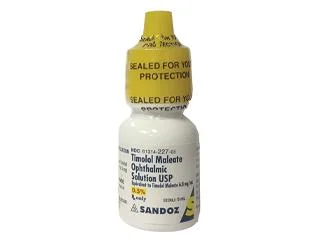
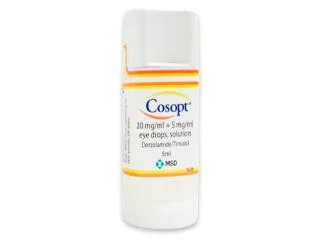
Key points
- Eye pressure is a modifiable risk factor, but glaucoma can occur at statistically normal pressure and high pressure can exist without damage.
- Lost visual field cannot be restored; treatment aims to slow further loss through a personalised target pressure.
- Adherence, drop technique and systemic contraindications matter as much as selecting a pressure-lowering class.
The listings below are not automatically appropriate for raised pressure; an eye specialist should confirm glaucoma and set the target.
Monitoring structural and functional change
Gonioscopy confirms an open angle, while optic-disc examination, retinal nerve-fibre imaging and automated visual fields establish damage and progression. Corneal thickness influences pressure interpretation. Follow-up frequency reflects severity and rate of change.
Lowering pressure
Prostaglandin analogues, beta blockers, carbonic-anhydrase inhibitors and other drops have different ocular and systemic effects. Selective laser trabeculoplasty can be first-line or adjunctive. Surgery is considered when target pressure is not reached or progression continues despite tolerated treatment.
When to seek urgent care
Chronic open-angle glaucoma is usually not painful. Seek same-day care for sudden severe eye pain, halos, rapidly blurred vision, headache with vomiting or a red eye with a fixed or unusual pupil.