
Atrial Fibrillation
Atrial fibrillation (AF) is an irregular heart rhythm in which the atria activate chaotically, producing an irregular pulse and allowing blood clots to form.

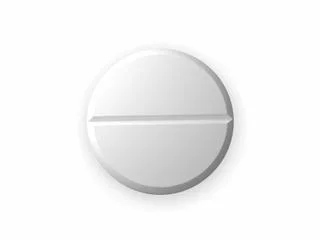
Digoxin Tablets
0.25mg
Digoxin 0.25mg tablets, used in the management of heart failure and atrial fibrillation. A cardiac glycoside that inhibits the sodium-potassium pump.
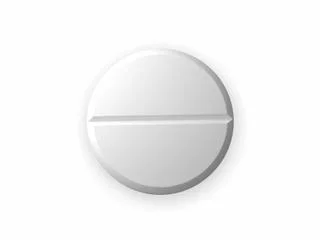
Warfarin Tablets
1 · 2 · 5mg
Warfarin 1mg, 2mg and 5mg tablets, used in the management of atrial fibrillation, thromboembolism and deep vein thrombosis. A vitamin K antagonist.



Key points
- AF may cause palpitations, fatigue or breathlessness, or be discovered without symptoms on an ECG.
- Stroke prevention is assessed separately from symptom control using individual clot and bleeding risks.
- Rate control, rhythm medicine, cardioversion and ablation are alternatives or complements, not interchangeable choices.
The listings below should not be used for an unconfirmed rhythm; AF treatment depends on ECG diagnosis, duration, heart disease and risk scores.
Confirming AF and its drivers
An ECG documents the rhythm; intermittent episodes may require longer monitoring. Evaluation considers thyroid disease, high blood pressure, valve disease, heart failure, sleep apnoea, alcohol and other triggers. An echocardiogram commonly assesses heart structure.
Three treatment questions
Anticoagulation can reduce stroke risk but increases bleeding and is not decided by symptoms alone. Beta blockers or other agents may control ventricular rate. Rhythm restoration is considered according to symptom burden, duration and likelihood of maintaining sinus rhythm; cardioversion timing also depends on clot protection.
When to seek urgent care
Call emergency services for palpitations with fainting, severe chest pain, marked breathlessness, confusion or sudden facial droop, limb weakness or speech difficulty.
Further reading
Related articles

22 Sept 2026 ⋅ 7 min read
Antiplatelets vs Anticoagulants: Not Interchangeable
Understand how antiplatelet and anticoagulant medicines act on different parts of clot formation, and why indication and duration matter.
Read guide
22 Sept 2026 ⋅ 6 min read
Blood Thinners, Painkillers, Supplements and TCM
What anticoagulant and antiplatelet users should tell a pharmacist about NSAIDs, aspirin, supplements, traditional medicines and bleeding.
Read guide