
Dermatosis
Dermatosis is a non-specific term for a disease or abnormal condition of the skin and is not itself a diagnosis or treatment category.
Key points
- The same word may be used for eczema, psoriasis, infection, blistering disease or another unrelated skin condition.
- Appearance, distribution, duration, itch or pain, exposures and medicine timing are needed to define the actual disorder.
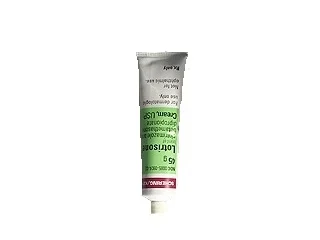
- Empirical corticosteroid can worsen or mask fungal, bacterial and viral disease when the diagnosis is uncertain.
The listings below span different skin mechanisms and should not be chosen from the broad dermatosis label alone.
Turning a broad label into a diagnosis
Clinicians describe primary lesions such as patches, plaques, papules, vesicles or nodules and note border, scale and body distribution. Skin scraping, culture, dermoscopy, patch testing or biopsy may answer specific diagnostic questions. A full medicine and product history can reveal contact or drug reactions.
Why treatment cannot be generic
Barrier repair may help inflammatory dryness, while antifungals, antibiotics and immune-directed therapies target distinct causes. Potency and absorption of topical medicines vary greatly between eyelids, folds, face, scalp, palms and soles. Persistent or changing lesions deserve re-evaluation rather than indefinite treatment renewal.
When to seek urgent care
Seek urgent care for widespread blistering or peeling, mouth or eye involvement, breathing difficulty, rapidly spreading pain or redness, fever with a rash or purple spots that do not blanch.