
Fungal Skin Infection
A fungal skin infection affects the outer skin, feet, groin or other moist areas and often causes an itchy, scaly rash. Different fungi and several non-fungal rashes can look alike, so appearance and location matter.
Key points
- Ring-shaped scale, peeling between the toes or an itchy groin rash can suggest fungal infection, but eczema and psoriasis may mimic it.
- Topical antifungals can treat many limited skin infections; scalp, nail or extensive disease often needs a different assessment.
- Steroid creams can mask or worsen an untreated fungal rash when used without a clear indication.
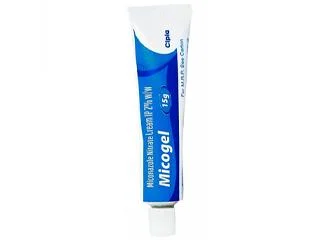
An antifungal listing is not proof that a rash is fungal; treatment choice depends on the site, extent and likely organism.
How do fungal rashes differ?
Ringworm often forms an enlarging scaly edge, while athlete’s foot commonly causes peeling and cracks between toes. Yeast can favour skin folds. A clinician may examine skin scrapings when the pattern is unclear or treatment has failed.
What affects treatment choice?
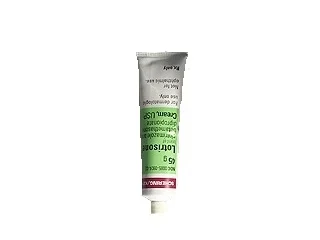
Clotrimazole is one topical option for susceptible fungi. Keeping skin dry and avoiding shared towels can reduce persistence and spread. Combined antifungal–steroid products are appropriate only in selected inflamed cases because the steroid component has additional risks. See antifungals for medicine-group context.
When to seek urgent care
Seek prompt care if redness spreads quickly, the area becomes very painful or swollen, pus or fever develops, or the rash affects the eyes. People with diabetes or reduced immunity should obtain early review for a rapidly worsening foot or skin infection.
Further reading
Related articles

22 Sept 2026 ⋅ 6 min read
Steroid Creams, Fungal Rashes and Hidden Ingredients
Why steroid potency, body site, infection and product source matter, and why a cream that reduces redness may not be treating the cause.
Read guide