
Plaque Psoriasis
Plaque psoriasis is the most common form of psoriasis, causing raised, red patches covered with silvery-white scales. It is a chronic autoimmune condition where the immune system accelerates skin cell turnover, causing cells to build up faster than they can shed.
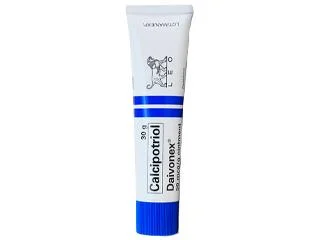
Heximar Ointment
15 · 30g
Heximar Ointment is calcipotriol in 15g and 30g tubes for plaque psoriasis, a synthetic vitamin D analogue that normalises keratinocyte turnover.
Key points
- Common triggers include stress, skin injury (cuts, sunburn), certain infections, and alcohol.
- Extent, body site, joint symptoms and impact on daily life determine whether topical treatment or specialist systemic care is appropriate.
- Treatment is chosen for the underlying cause and may combine medicines with monitoring or supportive care.
The listings below do not establish psoriasis severity or suitability; potent topical and immune-modifying treatments require different screening and monitoring.
What drives flare-ups
Psoriasis follows a relapsing pattern: periods of clear skin interrupted by flare-ups. Some people notice flares linked to specific medications or dietary changes.
Managing plaques with topical treatments
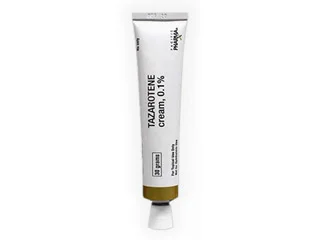
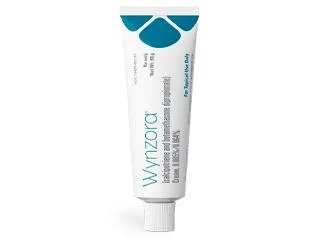
Most mild to moderate plaque psoriasis is managed with topical preparations applied directly to affected skin. Calcipotriol is a vitamin D analogue that slows excess skin cell growth and reduces scaling. Betamethasone is a corticosteroid that calms inflammation and eases redness. The two are often used together, since they target different parts of the inflammatory process. Tazarotene, a topical retinoid, helps normalise skin cell turnover and can be particularly effective for thick, stubborn plaques. Wider skin health support is covered in the skin care section. See a doctor promptly if plaques spread rapidly, affect large body areas, or are accompanied by joint pain, this may indicate psoriatic arthritis, which needs separate assessment.
When to seek urgent care
Seek urgent care if redness or pustules spread across much of the body, especially with fever, chills, dehydration or feeling very unwell. A hot, swollen joint or eye pain with vision change also needs prompt assessment.
Further reading
Related articles

Learn why psoriasis creams, ointments, gels, solutions and shampoos are not interchangeable, and when extent or joint symptoms change treatment.
Read guide