
Generalised Anxiety Disorder
Generalised anxiety disorder (GAD) involves persistent, difficult-to-control worry across several parts of life. Unlike a short period of stress, it continues for months, disrupts daily functioning and often comes with muscle tension, fatigue, poor sleep or difficulty concentrating.


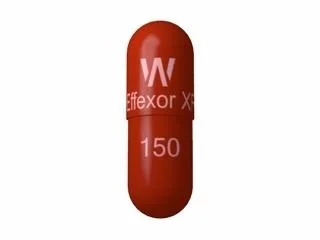

Effexor XR
75 · 150mg
Effexor XR is venlafaxine 75mg and 150mg in a prolonged-release capsule for major depression and generalised anxiety disorder. An SNRI taken once a day.

Key points
- GAD involves persistent worry across several areas of life, not only brief anxiety around one event.
- Psychological therapy and practical changes are core treatments; medicines can help when symptoms are more persistent or impairing.
- Benefits build gradually, and early adverse effects or withdrawal risk need discussion before starting or stopping medicine.
An anxiety-medicine listing cannot confirm GAD or exclude physical causes; symptom duration, impairment, other conditions and current medicines guide care.
How is GAD distinguished from everyday stress?
Worry is difficult to control, occurs on many days and disrupts sleep, concentration, work or relationships. Restlessness, muscle tension, fatigue and stomach symptoms can accompany it. Assessment also considers depression, substance use, thyroid disease and medicine effects.
What roles do therapy and medicine have?
Cognitive behavioural therapy helps identify and change worry patterns. SSRIs or SNRIs in the antidepressants group, including escitalopram, venlafaxine and duloxetine, may be considered. Buspirone is another option in selected cases. Choice depends on other symptoms, interactions and adverse-effect risks.
When to seek urgent care
Seek immediate help for thoughts of suicide or self-harm, inability to stay safe, severe agitation or confusion. New chest pressure, fainting or major breathing difficulty should be assessed urgently rather than assumed to be anxiety.
Further reading
Related articles

22 Sept 2026 ⋅ 7 min read
Anxiety Medicines: Daily Treatment vs Short-Term Relief
Understand why daily SSRI or SNRI treatment and short-term anxiety medicines have different roles, timelines, risks and review questions.
Read guide