
Furosemide
Furosemide is a loop diuretic that increases salt and water excretion. It can also cause dehydration, kidney impairment and significant electrolyte changes. Listed uses include oedema and hypertension.
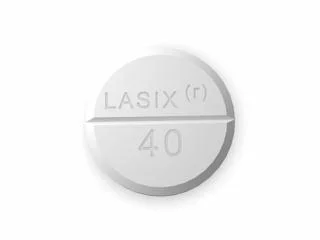
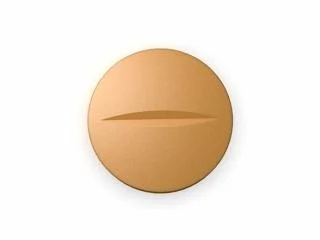
Key points
- Extra tablets are not a safe response to swelling or a high blood-pressure reading without clinical direction.
- Vomiting, diarrhoea, poor intake or heat can increase dehydration and kidney risk.
- Low sodium, potassium or magnesium can cause weakness, confusion, cramps or abnormal rhythm.
Select a listed product and pack to order online. Suitability and supply depend on indication, prescription, laboratory monitoring and pharmacy checks.
Important safety checks
Review kidney or liver disease, gout, diabetes, low blood pressure, pregnancy and medicines such as NSAIDs, lithium, digoxin or other diuretics. Monitor weight, blood pressure, kidney function and electrolytes as directed.
When to seek urgent care
Seek urgent help for fainting, severe confusion, seizure, a new irregular heartbeat, very little urine, sudden hearing change, facial swelling or breathing difficulty.
Further reading
Related articles

23 Sept 2026
Heart-Failure Medicines Have Different Jobs
Understand why diuretics, renin-angiotensin medicines, selected beta blockers, MRAs and SGLT2 inhibitors are not interchangeable in heart failure.
Read guide