
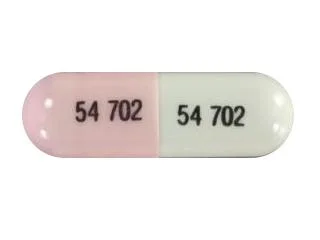
Lithium Tablets
Bipolar Disorder, Recurrent Depressive Disorder
300mg
Lithium 300mg prolonged-release tablets, used in the management of bipolar disorder and recurrent depressive disorder. A mood stabiliser needing blood tests.
From$0.59/ tabletView
Lithium is a mood stabiliser with a narrow safe concentration range. Blood tests, stable fluid and salt intake, and careful interaction checks are central to safe treatment.
Bipolar Disorder, Recurrent Depressive Disorder
300mg
Lithium 300mg prolonged-release tablets, used in the management of bipolar disorder and recurrent depressive disorder. A mood stabiliser needing blood tests.
Select a listed product and pack to order online. Supply depends on stock and destination rules; ask your doctor or pharmacist whether it suits you.
Lithium is used in the treatment and prevention of episodes in bipolar disorder. It may also be added to specialist treatment for recurrent depressive disorder.
Lithium levels, kidney and thyroid function and calcium may need monitoring. Tell the prescriber about diarrhoea, vomiting, fever, heavy sweating or a major dietary change. Anti-inflammatory painkillers, ACE inhibitors, ARBs and diuretics can alter lithium levels. Different formulations may release lithium differently and should not be substituted casually.
Stop taking further doses and seek urgent clinical advice if lithium toxicity is suspected, especially with worsening tremor, repeated vomiting or diarrhoea, muscle weakness, slurred speech, poor coordination, unusual drowsiness, confusion or a seizure.

22 Sept 2026 ⋅ 7 min read
Understand why lithium, lamotrigine, antipsychotics and valproate have different roles, interactions, pregnancy risks and monitoring needs.
Read guide