
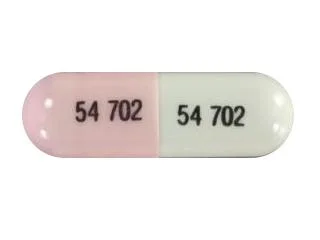
Lithium Tablets
300mg
Lithium 300mg prolonged-release tablets, used in the management of bipolar disorder and recurrent depressive disorder. A mood stabiliser needing blood tests.
From$0.59/ tabletView
Recurrent depressive disorder means depressive episodes have occurred more than once, with substantial recovery between episodes. Low mood alone is insufficient for diagnosis; duration, function and associated symptoms matter.
300mg
Lithium 300mg prolonged-release tablets, used in the management of bipolar disorder and recurrent depressive disorder. A mood stabiliser needing blood tests.
Catalogue matches are not a diagnosis and do not indicate a suitable antidepressant or mood stabiliser.
Clinicians assess symptom number, persistence and effect on daily life, then compare with previous episodes and recovery. A history of mania or hypomania points toward bipolar disorder rather than recurrent unipolar depression.
Care may include structured psychological therapy and an antidepressant. Lithium has specialist roles in selected recurrent mood illness and requires blood-level, kidney and thyroid monitoring; it is not a routine catalogue choice.
Seek urgent help for suicidal intent, a plan or access to means, inability to eat or drink, severe self-neglect, psychotic symptoms, extreme agitation or immediate danger.

Compare SSRI, SNRI, mirtazapine and older antidepressant classes by treatment role, expected timeline, side-effect profile and withdrawal planning.
Read guide