
Onychomycosis
Onychomycosis is fungal infection within the nail plate or bed, most often caused by dermatophytes but sometimes yeasts or moulds.
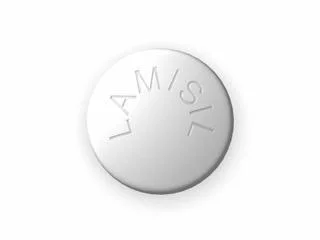
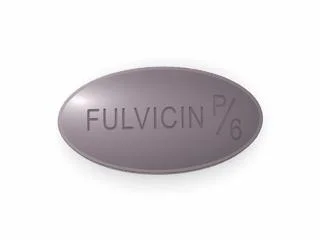
Key points
- Trauma, psoriasis and other nail disorders mimic fungus, so clipping or scraping should confirm infection before oral therapy.
- Topical treatment suits limited superficial disease, while extensive matrix involvement more often needs systemic treatment.
- A nail appears improved only as healthy nail grows out, which takes months even after fungus is cleared.
The listings below do not confirm onychomycosis; organism, nail extent, liver health and interactions affect treatment.
Confirming fungal nail disease
Samples can undergo microscopy, culture, histology or PCR. Testing is particularly important when only one nail is abnormal or treatment would be long. Coexisting athlete’s foot should be treated to reduce reinfection, and footwear hygiene helps limit recurrence.
Treatment choices
Topical lacquer or solution requires long consistent application and works best with limited disease. Oral terbinafine or an azole has organism-specific efficacy and liver or interaction considerations. Debridement may reduce thickness, while permanent nail removal is rarely needed.
When to seek urgent care
Seek prompt care for a red hot swollen toe or finger, pus, fever, rapidly spreading redness, black tissue or a nail wound in a person with diabetes or poor circulation.