
Metoclopramide
Metoclopramide reduces nausea and increases movement in the upper digestive tract. Its use is usually limited because it can cause acute or persistent movement disorders.
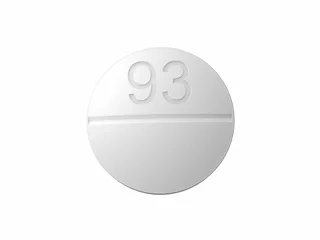
Key points
- Metoclopramide is used for selected causes of nausea, vomiting or delayed stomach emptying, not for unexplained symptoms without assessment.
- Children, younger adults and people with Parkinson’s disease or previous movement reactions need particular caution.
- Neck twisting, eye rolling, facial spasms, severe restlessness or uncontrolled movements needs prompt medical help.
Select a listed product and pack to order online. Supply depends on stock and destination rules; ask your doctor or pharmacist whether it suits you.
What Metoclopramide is used for
It may be prescribed for selected cases of nausea and vomiting and for symptom management in gastroparesis. The underlying cause and intended duration should be clear.
How it works
Metoclopramide blocks dopamine receptors involved in vomiting and increases contractions in the stomach and upper intestine. Dopamine blockade also explains its movement-related adverse effects.
Important safety checks
Parkinson’s disease, epilepsy, bowel blockage or bleeding, previous involuntary movements and kidney or liver problems require review. Antipsychotics and other dopamine-blocking or sedating medicines can increase adverse effects. Persistent involuntary movements can continue after treatment is stopped, so duration should not be extended without review.
When to seek urgent care
Seek urgent help for neck or jaw spasm, eye rolling, severe restlessness, uncontrolled facial or limb movements, fever with severe stiffness or confusion, a seizure, vomiting blood, black stools or severe abdominal swelling.
Further reading
What is metoclopramide used for?
Metoclopramide is used for some cases of nausea and vomiting and to ease symptoms of slow stomach emptying (gastroparesis). It is not for unexplained symptoms, so the cause and how long you need it should be clear first.
How does metoclopramide work?
Metoclopramide blocks dopamine receptors in the vomiting centre of the brain and increases contractions in the stomach and upper intestine. This same blocking action explains the movement-related side effects.
Which products contain metoclopramide?
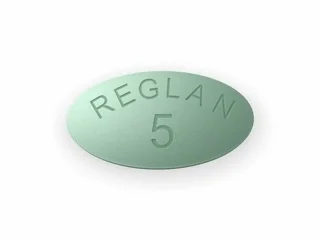
Products containing metoclopramide on SGMeds include Maxolon and Reglan. Compare their forms, strengths and pack sizes.
How long does metoclopramide take to work?
Metoclopramide usually starts to work within 30 to 60 minutes, and the effect lasts about 4 to 6 hours.
What are the side effects of metoclopramide?
Common side effects include drowsiness, diarrhoea and weakness. Serious reactions include lasting involuntary movements (tardive dyskinesia) and a rare reaction with high fever and stiff muscles (neuroleptic malignant syndrome), which need immediate medical attention.
Can metoclopramide be taken with alcohol or other medicines?
Metoclopramide interacts with alcohol, levodopa and medicines that cause drowsiness (CNS depressants). Antipsychotics and other dopamine-blocking or sedating medicines can also increase side effects, so check with a doctor or pharmacist first.
How much does metoclopramide cost in Singapore?
Each product on this page shows a price for each strength and pack size in Singapore dollars, converted from US dollars, so the exchange rate can change the final amount. Larger packs usually cost less per tablet.
Payment and prices →Can I buy metoclopramide over the counter in Singapore?
Yes, online. SGMeds does not ask for a prescription to order metoclopramide: we place the order with our pharmacy partner, which prepares it and arranges delivery on your behalf.
Ordering without a prescription →Do you deliver metoclopramide to Singapore?
Yes. Parcels go to Singapore and Malaysia by Express shipping (tracked, up to 1 week) or Regular shipping (up to 3 weeks).
How ordering works →