
Gabapentin
Gabapentin is an anticonvulsant used for selected seizure disorders and some forms of Neuropathic Pain. Benefit varies by condition, and kidney function affects how the body clears it.
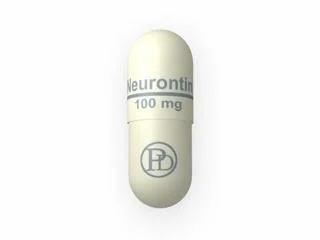
Key points
- Gabapentin can cause drowsiness, dizziness, blurred vision and unsteadiness, especially after starting or changing treatment.
- Opioids, alcohol and other sedating medicines can increase sedation and the risk of serious breathing problems.
- Do not stop gabapentin suddenly; a clinician should plan a gradual change to reduce withdrawal symptoms and seizure risk.
Select a listed product and pack to order online. Product information is not a pain or seizure recommendation. Whether it suits you depends on diagnosis and kidney function; ask your doctor or pharmacist.
What gabapentin is used for
Gabapentin may be used as part of Epilepsy treatment and for selected nerve-pain syndromes. It does not treat every type of chronic pain, and response should be reviewed rather than assumed from the diagnosis alone.
How gabapentin works
Gabapentin binds the alpha-2-delta subunit of voltage-gated calcium channels and reduces selected excitatory signalling. Despite its name, it does not act directly like the neurotransmitter GABA.
Important safety checks
Kidney function, breathing disease, fall risk, pregnancy, mood symptoms, substance-use history and other sedating medicines require review. Do not drive or operate machinery until its effects are known. Taking more than prescribed or combining it with opioids can be dangerous.
When to seek urgent care
Seek emergency help for slow or shallow breathing, inability to wake, blue or grey lips, severe confusion, facial or throat swelling or a severe rash. New suicidal thoughts, extreme agitation or a marked increase in seizures needs urgent professional help.
Further reading
What is gabapentin used for?
Gabapentin is an anticonvulsant used for epilepsy and some nerve-pain conditions. It does not help every kind of chronic pain, so its effect is reviewed during treatment.
How does gabapentin work?
Gabapentin attaches to a particular calcium channel in nerve cells and dampens some of the signals that carry pain and seizure activity. Despite the name, it does not act directly on GABA.
Which product contains gabapentin?
The gabapentin product on SGMeds is Neurontin, and its page gives the strengths and pack sizes.
How long does gabapentin take to work?
Gabapentin usually takes about 1 to 2 weeks before you notice a difference, and each dose lasts around 6 to 8 hours.
What are the side effects of gabapentin?
Common side effects include dizziness, sleepiness, fatigue and nausea. You may also notice swelling of the ankles, unsteadiness or a tremor. Slow or shallow breathing, thoughts of harming yourself or a severe allergic reaction need emergency help straight away.
Can gabapentin be taken with alcohol?
No. Alcohol adds to the drowsiness and raises the chance of serious breathing problems, so it is best avoided while you are taking gabapentin.
Can gabapentin be taken with other medicines?
Gabapentin can interact with antacids and morphine, so tell your doctor or pharmacist about anything else you take. Other sedating medicines can add to the drowsiness and breathing risk.
What does gabapentin cost in Singapore dollars?
The product on this page shows a price for each strength and pack size in Singapore dollars, converted from US dollars, so the exchange rate can change the final amount. Larger packs usually cost less per tablet.
Payment and prices →Can I buy gabapentin over the counter in Singapore?
Yes, online. SGMeds does not ask for a prescription to order gabapentin: we place the order with our pharmacy partner, which prepares it and arranges delivery on your behalf.
Ordering without a prescription →Do you deliver gabapentin to Singapore?
Yes. We deliver to Singapore and Malaysia. Express shipping is tracked and takes up to 1 week, and Regular shipping takes up to 3 weeks.
How ordering works →