
Diabetes Insipidus
Diabetes insipidus (DI) is impaired water conservation that causes large volumes of dilute urine and compensatory thirst, unrelated to high blood glucose.
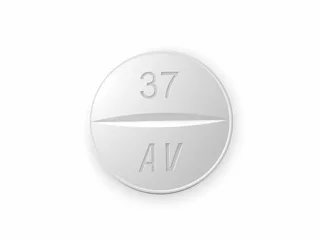
Key points
- Central DI reflects inadequate vasopressin, while nephrogenic DI means kidneys cannot respond normally to the hormone.
- Excess drinking from other causes can look similar, so water-deprivation or copeptin-based testing requires specialist supervision.
- Desmopressin treats central DI but can cause dangerous low sodium if fluid intake is excessive or the diagnosis is wrong.
The listings below do not distinguish DI type; sodium, kidney function, cause and ability to regulate drinking guide treatment.
Confirming the water-balance problem
Clinicians measure urine volume and osmolality alongside blood sodium and osmolality. High glucose, kidney disease, diuretics and excess voluntary drinking are excluded. MRI and pituitary hormone testing may be needed in central DI, while lithium and electrolyte disorders are relevant to nephrogenic disease.
Treatment and daily safety
Desmopressin replaces vasopressin activity in central DI, with dosing arranged to prevent both dehydration and water retention. Nephrogenic treatment focuses on the cause and may use dietary or renal medicines. Sick-day plans matter when vomiting or reduced access to water disrupts balance.
When to seek urgent care
Seek emergency care for confusion, severe drowsiness, seizure, collapse, inability to access or keep down water, or severe headache and vomiting after desmopressin.