
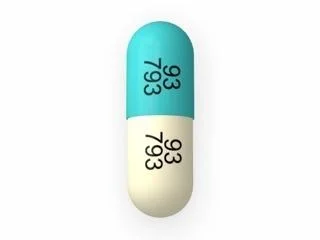
Chloromycetin
250 · 500mg
Chloramphenicol 250mg and 500mg hard capsules, used for bacterial infection and typhoid fever. It binds the 50S ribosomal subunit in bacteria.
From$0.65/ tabletView
Typhoid fever is systemic illness caused by Salmonella Typhi, usually acquired by ingesting food or water contaminated with human faeces. Symptoms overlap with many other febrile infections, so exposure alone does not confirm it.
250 · 500mg
Chloramphenicol 250mg and 500mg hard capsules, used for bacterial infection and typhoid fever. It binds the 50S ribosomal subunit in bacteria.
Catalogue matches do not diagnose typhoid or indicate an effective antibiotic, dose or duration.
Malaria, dengue, leptospirosis and other infections can produce a similar fever pattern. Culture supports targeted treatment and public-health action, although prior antibiotics can reduce yield. Household transmission and chronic carriage may require follow-up.
Choice depends on severity, likely acquisition location, culture susceptibility, pregnancy and ability to take oral medicine. Chloramphenicol has historical and limited selected uses but serious blood toxicity and substantial resistance concerns; see antibiotics.
Seek urgent care for severe abdominal pain or swelling, black or bloody stool, confusion, collapse, persistent vomiting, reduced urine or rapid deterioration with fever.
Typhoid fever is caused by Salmonella Typhi, usually picked up from food or water contaminated with human faeces. The symptoms overlap with many other febrile infections, so exposure alone does not confirm it.
Malaria, dengue, leptospirosis and other infections can produce a similar fever pattern, so laboratory tests are needed. Culture supports targeted treatment and public-health action, although prior antibiotics can reduce yield. Household transmission and chronic carriage may require follow-up.
Seek urgent care for severe abdominal pain or swelling, black or bloody stool, confusion, collapse, persistent vomiting, reduced urine or rapid deterioration with fever.
SGMeds lists products containing chloramphenicol for typhoid fever, for example Chloromycetin (chloramphenicol). Each product page gives the strengths and forms.
Yes, online. SGMeds does not ask for a prescription to order medicines for typhoid fever: we place the order with our pharmacy partner, which prepares it and arranges delivery on your behalf.
Ordering without a prescription →Yes. Parcels go to Singapore and Malaysia by Express shipping (tracked, up to 1 week) or Regular shipping (up to 3 weeks).
How ordering works →