
Chloromycetin
250 · 500mg
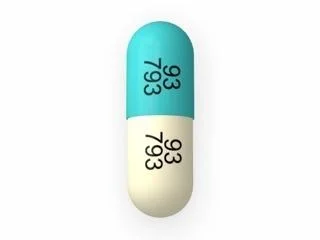
Chloramphenicol 250mg and 500mg hard capsules, used for bacterial infection and typhoid fever. It binds the 50S ribosomal subunit in bacteria.
From$0.65/ tabletView
A bacterial infection is severe when it threatens organ function, spreads to normally sterile tissue or destabilises breathing or circulation. Suspected sepsis is an emergency.
250 · 500mg
Chloramphenicol 250mg and 500mg hard capsules, used for bacterial infection and typhoid fever. It binds the 50S ribosomal subunit in bacteria.
Catalogue matches are not emergency treatment and do not identify the organism, dose, route or combination required.
Severe illness can occur with fever, low temperature or no fever. Clinicians assess circulation, oxygen, mental state, urine output and likely source, then obtain tests without delaying time-critical treatment when sepsis is suspected.
Initial therapy reflects the source and resistance risk, then culture results support narrower treatment. Chloramphenicol has limited specialist uses and serious blood-toxicity risks; a catalogue listing is not a reason to use it. See antibiotics.
Call emergency services for confusion, severe breathlessness, blue or mottled skin, collapse, a non-blanching rash, very low urine output or rapid deterioration with suspected infection.