
Hypercholesterolaemia
Hypercholesterolaemia means LDL cholesterol is raised enough to increase long-term risk of atherosclerotic cardiovascular disease. It usually causes no symptoms, so management is based on measured lipids and overall risk rather than how a person feels.




Key points
- LDL results are interpreted alongside age, blood pressure, diabetes, smoking, kidney disease and previous cardiovascular events.
- Very high LDL or early heart disease in a family can suggest familial hypercholesterolaemia and warrants earlier assessment.
- Lifestyle supports treatment, but higher-risk people may still need medicine despite a healthy diet and activity.
A lipid-medicine listing cannot set an LDL goal or treatment intensity; baseline risk, interactions, pregnancy and prior adverse effects matter.
What does a lipid assessment show?
A lipid profile measures total cholesterol, LDL, HDL and triglycerides. Clinicians also look for secondary causes such as hypothyroidism, diabetes, kidney disease and medicines. Familial patterns may require cascade testing of relatives.
How do medicines lower LDL?
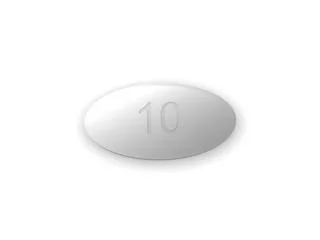
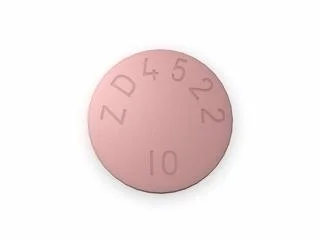
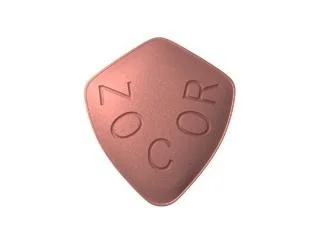
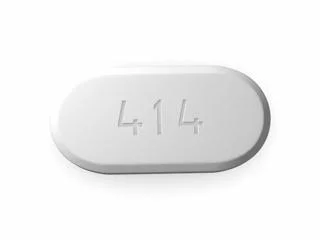
Statins such as atorvastatin or rosuvastatin reduce liver cholesterol production. Ezetimibe reduces intestinal absorption and may be added when more lowering is needed. Choice within cholesterol management depends on target reduction, interactions and tolerance.
When to seek urgent care
High cholesterol itself is not usually an emergency. Call emergency services for chest pressure, sudden breathlessness, facial droop, arm weakness or speech difficulty, which may indicate a heart attack or stroke.
Further reading
Related articles

Understand how statin intensity is compared, why milligram numbers do not translate directly between ingredients, and which clinical factors matter.
Read guide
22 Sept 2026 ⋅ 7 min read
High Triglycerides vs Cholesterol-Lowering Treatment
Understand how triglyceride treatment differs from LDL-cholesterol treatment, including secondary causes, pancreatitis risk, statins and fibrates.
Read guide