
Post-operative Otitis
New inflammation, pain or discharge after ear surgery may reflect infection, expected healing or another surgical complication. It should be assessed by the operating team rather than treated as an ordinary ear infection.
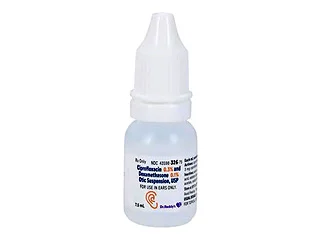
Key points
- Increasing pain, fever, foul-smelling discharge, wound redness or new dizziness is more concerning than stable discomfort expected after the procedure.
- Watery discharge or a change in hearing can reflect a surgical complication rather than ordinary outer- or middle-ear infection.
- The operating team should decide whether wound care, sampling, ear drops, oral treatment or an urgent procedure is needed.
The listings below cannot distinguish infection from normal healing or another complication and should not replace review by the surgical team.
What needs to be checked?
Timing, procedure type, wound appearance, eardrum or graft status and the character of any discharge help identify the cause. The team may clean the ear, examine it microscopically or take a sample. A medicine safe for an intact eardrum may not be suitable after every operation.
How is treatment chosen?
Care may involve keeping the ear dry, prescribed wound care and close follow-up. Selected infections may need topical antibiotics, sometimes with an anti-inflammatory component, while spreading infection or deeper complications require a different approach. Do not put non-prescribed drops into a recently operated ear.
When to seek urgent care
Contact the operating team promptly for increasing pain, fever, new or foul-smelling discharge, wound redness, facial weakness, marked dizziness or worsening hearing. Swelling behind the ear, severe headache, confusion or neck stiffness needs urgent care.