
Myocardial Infarction
A myocardial infarction, or heart attack, occurs when blood flow to heart muscle is critically reduced, usually by a clot in a coronary artery. Rapid emergency treatment is needed to limit permanent damage.



Key points
- Chest pressure, sweating, nausea or breathlessness can indicate a heart attack even when pain is mild or atypical.
- Emergency assessment and restoration of blood flow take priority over selecting medicines from a catalogue.
- Recovery treatment is individualised to the artery treatment, heart function, bleeding risk and other conditions.
This catalogue is not a heart-attack treatment pathway. Call emergency services for suspected symptoms and do not drive yourself or wait for them to settle.
What can a heart attack feel like?
Pressure, heaviness or burning may spread to an arm, jaw, shoulder or back. Breathlessness, cold sweat, nausea, faintness or sudden profound fatigue can accompany it. ECG and cardiac blood tests are required; symptoms alone cannot show the artery involved.
What medicines may be used after stabilisation?
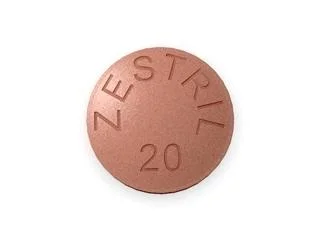
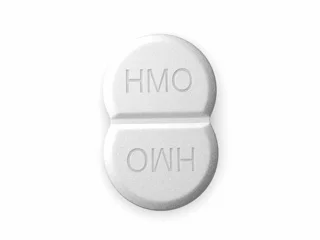
Clopidogrel, metoprolol, lisinopril or eplerenone may be used in selected patients, but indications and duration differ. Cardiac rehabilitation and risk-factor control complement prescribed therapy; see heart and blood pressure for class context.
When to seek urgent care
Call emergency services immediately for new chest pressure, breathlessness, cold sweat, fainting, or pain spreading to the arm, jaw or back. After a heart attack, recurrent symptoms or a fast irregular heartbeat are also emergencies.