
Leprosy
Leprosy, or Hansen disease, is a chronic bacterial infection affecting skin, peripheral nerves, eyes and upper-airway mucosa.
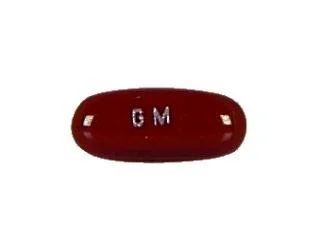
Key points
- A pale, red or copper-coloured patch with reduced sensation is a key clue, while nerve damage may cause weakness or unnoticed injury.
- Diagnosis combines sensory testing, nerve examination and slit-skin smear or biopsy where appropriate.
- Multidrug therapy prevents resistance and cures infection, but established nerve damage may not fully reverse.
The listings below do not confirm leprosy or determine its classification; specialist and public-health assessment should guide treatment.
Classification and nerve protection
The number of lesions, nerve involvement and bacterial evidence distinguish paucibacillary from multibacillary disease and set treatment duration. Hands, feet and eyes need regular function checks because lost sensation can lead to burns, ulcers and disability without pain.
Treatment and inflammatory reactions
Rifampicin, dapsone and clofazimine are combined according to classification. Immune reactions can occur before, during or after treatment and may cause painful lesions or sudden nerve dysfunction; they require urgent anti-inflammatory management without assuming antibiotic failure.
When to seek urgent care
Seek urgent specialist care for new weakness, rapidly worsening numbness, severe nerve pain, a painful red eye or vision change, infected numb wounds or severe medicine reactions.