
Keratoconjunctivitis Sicca
Keratoconjunctivitis sicca is chronic dry-eye disease in which unstable or insufficient tears irritate and inflame the ocular surface.
Key points
- Burning, grittiness and fluctuating blur often worsen with screens, airflow or prolonged visual concentration.
- Aqueous tear deficiency and evaporative meibomian-gland dysfunction can coexist and need different emphasis in treatment.
- Preservative load, contact lenses, medicines and autoimmune disease can contribute to persistent surface damage.
The listings below do not define the dry-eye mechanism; eye examination should guide prescription anti-inflammatory drops.
Assessing the tear film
Clinicians examine tear break-up, corneal staining, tear volume and eyelid glands. Dry mouth, joint symptoms or gland swelling can suggest Sjögren disease. Pain out of proportion to surface findings may reflect corneal nerve dysfunction or another diagnosis.
Layered management
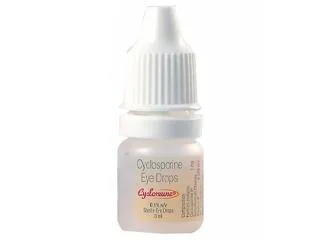
Preservative-free lubricants reduce friction, while warm compresses and gland care target evaporation. Ciclosporin or lifitegrast can reduce chronic surface inflammation but take time to work. Punctal plugs, serum tears or scleral lenses have selected roles after inflammation and eyelid disease are addressed.
When to seek urgent care
Arrange urgent eye assessment for sudden severe pain, light sensitivity, substantial vision loss, a white corneal spot, trauma or marked one-sided redness.