
Stroke
A stroke occurs when part of the brain loses blood flow or when a blood vessel bleeds. Both can cause sudden neurological loss, and brain imaging is needed before cause-specific treatment.
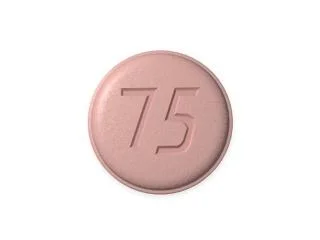
Key points
- Face droop, arm weakness and speech difficulty are classic signs; sudden vision, balance, sensation or severe headache changes also matter.
- Note when the person was last known well and call emergency services immediately, even if symptoms improve.
- Antiplatelets help selected ischaemic-stroke prevention but can be dangerous in brain bleeding and should not be started before urgent assessment.
Catalogue matches are not acute stroke treatment and must not delay emergency imaging and specialist care.
Why is time of onset important?
Some treatments for blocked-artery stroke depend on timing, imaging and individual risk. Symptoms noticed on waking still need immediate care. Do not drive the affected person, offer food or wait for a routine appointment.
How is another stroke prevented?
Prevention depends on mechanism: large or small artery disease, atrial fibrillation, dissection and other causes need different plans. Clopidogrel has selected antiplatelet roles, while atrial-fibrillation stroke prevention often uses anticoagulation instead. Blood pressure and cholesterol may also be addressed.
When to seek urgent care
Call emergency services for any sudden facial droop, one-sided weakness or numbness, speech or vision change, loss of balance, confusion or thunderclap headache, even when it lasts only minutes.