
Hyperuricaemia
Hyperuricaemia means blood urate is above the reference range. Many people remain asymptomatic; problems arise when monosodium urate crystals cause gout or when uric acid contributes to urinary stones.
Key points
- A high urate result alone does not prove gout and does not always require medicine.
- Kidney disease, alcohol, metabolic conditions and several medicines can reduce urate clearance or raise production.
- When urate lowering is indicated, it is long-term prevention rather than immediate relief for a painful flare.
A urate-lowering listing cannot set a target or establish need; gout history, stones, kidney function, other medicines and genetic risk guide care.
Why can urate rise?
Most hyperuricaemia reflects reduced kidney excretion. Dehydration, diuretics, alcohol, high cell turnover and metabolic disease can contribute. Urate may also fluctuate during illness, so one measurement needs context.
When is medicine considered?
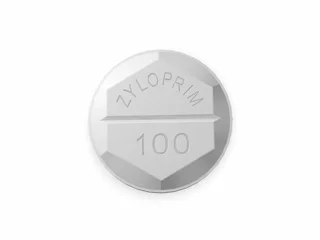
Allopurinol and febuxostat reduce urate production; probenecid increases excretion and depends on kidney function. Starting therapy can provoke flares, so prevention and monitoring form part of the plan. See pain management for acute-flare context.
When to seek urgent care
Seek same-day care for a first hot swollen joint with fever or severe illness, which may be joint infection. Severe flank pain with fever, vomiting or inability to pass urine requires urgent assessment.