
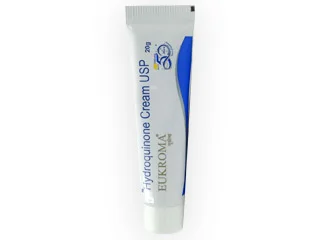
Hydroquinone Cream
4%
Hydroquinone 4% cream, applied to the skin for hyperpigmentation. A tyrosinase inhibitor that interrupts the first step of melanin formation.
From$17.14/ tubeView
Hyperpigmentation means an area of skin has become darker through increased melanin. Post-inflammatory marks and melasma are common, but a new or changing patch should not be assumed to be cosmetic.
4%
Hydroquinone 4% cream, applied to the skin for hyperpigmentation. A tyrosinase inhibitor that interrupts the first step of melanin formation.
A topical listing cannot identify the cause or rule out a suspicious lesion; distribution, skin history and examination guide treatment.
Post-inflammatory pigmentation follows a rash or injury. Melasma often appears symmetrically on the face and can be influenced by pregnancy or hormones. Widespread or mucosal darkening may warrant review for medicine-related or systemic causes.
Hydroquinone can reduce melanin production in selected conditions but needs a defined plan and monitoring for irritation or paradoxical darkening. It is not appropriate for every patch. See skin care for related topical information.
Arrange prompt dermatology review for a patch that grows quickly, changes colour or border, bleeds, ulcerates or becomes a new raised lesion. Widespread darkening with severe weakness, vomiting, fainting or dehydration needs urgent medical assessment.

22 Sept 2026 ⋅ 7
Distinguish flat post-acne colour changes from indented or raised scars, and understand why creams and procedures do different jobs.
Read guide