
Herpes Simplex
Herpes simplex virus type 1 or 2 can cause recurring oral or genital blisters and ulcers. Either type can affect either site, and infection may also be asymptomatic.


Key points
- Testing a fresh lesion can confirm the virus and type when the diagnosis is uncertain.
- Antivirals can shorten episodes or suppress recurrences but do not remove latent virus.
- Eye symptoms, neurological features, pregnancy and reduced immunity make clinical assessment more urgent.
An antiviral listing does not confirm that a sore is herpes; site, timing, kidney function, pregnancy and immune status affect treatment.
What can reactivation look like?
Tingling, burning or itching may precede grouped blisters that become shallow ulcers. Sun exposure, illness, stress and immune suppression can precede recurrence. Other infections and inflammatory conditions can resemble herpes.
How are antivirals used?
Aciclovir, valaciclovir and famciclovir may be used for an episode or as suppression in selected cases. The plan depends on recurrence burden, transmission concerns and renal function. See antivirals for class context.
When to seek urgent care
Seek urgent care for eye pain, light sensitivity or vision change; severe headache with neck stiffness or confusion; inability to urinate; rapidly spreading lesions with marked illness; or an outbreak in a newborn or severely immunocompromised person.
Further reading
What is herpes simplex?
Herpes simplex is an infection caused by herpes simplex virus type 1 or 2. It can cause recurring oral or genital blisters and ulcers, either type can affect either site, and some people have no symptoms.
What can trigger a herpes recurrence?
Sun exposure, illness, stress and a weakened immune system can bring on a recurrence. Tingling, burning or itching may come before grouped blisters that turn into shallow ulcers.
How is herpes simplex treated?
Aciclovir, valaciclovir and famciclovir may be used to treat an outbreak or, in some cases, to keep outbreaks from coming back. The plan depends on how often you get recurrences, concerns about passing it on, and your kidney function. Antivirals can shorten outbreaks or make them less frequent, but they do not clear the virus from your body.
When should I seek urgent care for herpes simplex?
Get urgent care for eye pain, light sensitivity or vision changes, a severe headache with neck stiffness or confusion, being unable to urinate, or rapidly spreading sores with marked illness. An outbreak in a newborn or in someone with a severely weakened immune system is also urgent.
What medication for herpes simplex can I order in Singapore?
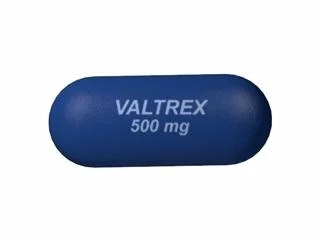
SGMeds lists products containing aciclovir, valaciclovir and famciclovir for herpes simplex, for example Zovirax (aciclovir) and Valtrex (valaciclovir). Each product page gives the strengths and forms.
Do I need a prescription for medicines for herpes simplex in Singapore?
No. SGMeds does not ask for a prescription to order medicines for herpes simplex: we place the order with our pharmacy partner, which prepares it and arranges delivery on your behalf.
Ordering without a prescription →Can I order medicines for herpes simplex online in Singapore?
Yes, here on SGMeds: choose the product, strength and pack, then check out. Parcels go to Singapore and Malaysia by Express shipping (tracked, up to 1 week) or Regular shipping (up to 3 weeks).
How ordering works →