
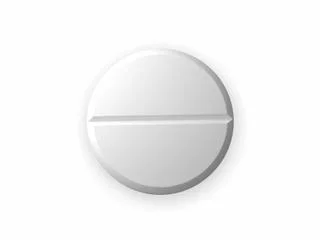
Warfarin Tablets
1 · 2 · 5mg
Warfarin 1mg, 2mg and 5mg tablets, used in the management of atrial fibrillation, thromboembolism and deep vein thrombosis. A vitamin K antagonist.
From$0.40/ tabletView
Deep vein thrombosis (DVT) is a clot within a deep vein, most often in the leg or pelvis, with potential to travel to the lungs.
1 · 2 · 5mg
Warfarin 1mg, 2mg and 5mg tablets, used in the management of atrial fibrillation, thromboembolism and deep vein thrombosis. A vitamin K antagonist.
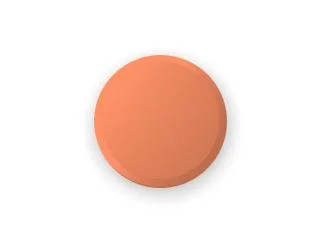
10mg
Rivaroxaban 10mg tablets, used in the management of deep vein thrombosis, pulmonary embolism and stroke prevention in atrial fibrillation.
The listings below are not safe to start for an unconfirmed swollen leg; diagnosis and anticoagulant selection require clinical assessment.
Recent surgery, immobility, pregnancy, oestrogen use, active cancer and previous clot raise risk. Ultrasound evaluates proximal leg veins, while repeat imaging may be needed when suspicion remains. Clinicians distinguish a provoked event from an unexplained one because this affects duration and further evaluation.
Direct oral anticoagulants, heparins and warfarin have different roles in pregnancy, cancer, kidney disease and antiphospholipid syndrome. Treatment requires interaction and bleeding review. Compression may help selected persistent symptoms but does not replace anticoagulation.
Call emergency services for sudden breathlessness, chest pain, coughing blood, fainting or a rapidly worsening painful swollen leg. Seek urgent help for uncontrolled bleeding while taking an anticoagulant.

22 Sept 2026 ⋅ 7 min read
Understand how antiplatelet and anticoagulant medicines act on different parts of clot formation, and why indication and duration matter.
Read guide
22 Sept 2026 ⋅ 6 min read
What anticoagulant and antiplatelet users should tell a pharmacist about NSAIDs, aspirin, supplements, traditional medicines and bleeding.
Read guide