
Bacterial Otitis Externa
Bacterial otitis externa is infection of the skin lining the outer ear canal, causing pain, itch, swelling and sometimes discharge.
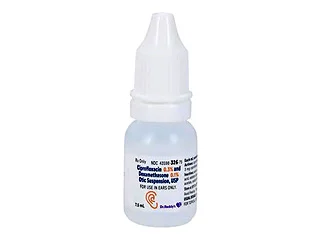
Key points
- Pain that worsens when the tragus or outer ear is moved is a useful clue, but fungal and inflammatory causes can appear similar.
- Topical treatment usually reaches the infection better than oral antibiotics in uncomplicated canal-limited disease.
- Severe deep pain in diabetes or immune suppression raises concern for invasive spread and needs urgent assessment.
The listings below do not confirm a bacterial cause or an intact eardrum; examination should guide drop selection.
What damages the canal barrier
Trapped water, cotton buds, scratching, hearing devices and eczema can disrupt protective skin and acidity. Examination assesses swelling, debris, the eardrum and whether infection extends beyond the canal. Cleaning by a trained clinician or a wick may improve drop delivery when the canal is narrow.
Safe treatment
Antibiotic or combined antibiotic–anti-inflammatory drops are selected according to likely cause and eardrum status. Some preparations should be avoided when perforation is possible. Keep the ear dry during treatment and avoid inserting objects; recurrence may require addressing dermatitis or fungal overgrowth.
When to seek urgent care
Seek urgent assessment for severe deep pain, fever, redness spreading around the ear, facial weakness, dizziness, or symptoms in a person with diabetes or significant immune suppression.