
Testosterone
Testosterone replacement is used for clinically confirmed deficiency with compatible symptoms, not for general energy, muscle gain or normal ageing alone.
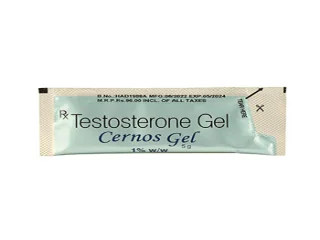
Key points
- Diagnosis usually requires symptoms plus appropriately timed blood tests and assessment of the underlying cause.
- Treatment can suppress sperm production and fertility and can raise the red-blood-cell count.
- Testosterone gel can transfer through skin contact, so product-specific handling precautions protect partners and children.
Select a listed product and pack to order online. Whether it suits you depends on the diagnosis, the formulation and monitoring; ask your doctor or pharmacist.
What testosterone is used for
Testosterone may be used for confirmed hypogonadism as part of clinician-led hormone therapy. Symptoms alone do not establish deficiency, and treatment may not be appropriate when fertility is desired.
How it works
Testosterone activates androgen receptors in many tissues. Replacement aims to restore levels within a clinically appropriate range rather than exceed normal physiology.
Clinically meaningful forms
Gels, injections and other formulations differ in absorption, monitoring and handling. Gel application sites should be covered as directed, and accidental skin transfer should be prevented.
Important safety checks
Review fertility plans, blood count, prostate and breast health where relevant, sleep apnoea, heart or clotting history, urinary symptoms and interacting medicines. Ongoing monitoring may include testosterone level, haematocrit and condition-specific checks.
When to seek urgent care
Seek urgent help for chest pain, sudden breathlessness, one-sided leg swelling, signs of stroke, a severe allergic reaction or a prolonged painful erection. Report marked headache, flushing or worsening sleep-related breathing promptly.
Further reading
What is testosterone used for?
Testosterone is used for confirmed hypogonadism, where the body does not make enough testosterone. Symptoms on their own do not prove a deficiency. Treatment may not be suitable if you want to have children.
How does testosterone work?
Testosterone acts on androgen receptors in many tissues. Replacement aims to bring levels into the normal range rather than above it.
Which product contains testosterone?
The testosterone product on SGMeds is Androgel, and its page gives the strengths and pack sizes.
How long does testosterone take to work?
Testosterone takes about 1 to 2 weeks to begin working, and its effects continue with ongoing use.
What are the side effects of testosterone?
Common side effects include application site reactions, headache and increased blood pressure. Other side effects include mood swings, a raised red blood cell count (polycythaemia) and hair growth. Blood clots in the veins (venous thromboembolism) are serious and need immediate medical attention.
Can testosterone be taken with other medicines?
Testosterone interacts with warfarin and corticosteroids. Check with your doctor or pharmacist before using it if you take either of these.
What brand names is testosterone sold under?
In other countries, testosterone is also sold as Testogel. Brand names vary between countries, so compare products by their active ingredient.
How much does testosterone cost in Singapore?
The product on this page shows a price for each strength and pack size in Singapore dollars, converted from US dollars, so the exchange rate can change the final amount.
Payment and prices →Can I order testosterone without a prescription?
Yes. SGMeds does not ask for a prescription to order testosterone: we place the order with our pharmacy partner, which prepares it and arranges delivery on your behalf.
Ordering without a prescription →Where can I buy testosterone in Singapore?
You can order testosterone here on SGMeds: choose the product, strength and pack, then check out. Parcels go to Singapore and Malaysia by Express shipping (tracked, up to 1 week) or Regular shipping (up to 3 weeks).
How ordering works →