
Varicella Zoster Infection
Varicella-zoster virus (VZV) causes chickenpox during primary infection and remains dormant in nerves, where it can later reactivate as shingles. The two illnesses differ in transmission pattern, risk and treatment.
Key points
- Chickenpox usually causes crops of widespread itchy blisters, while shingles typically causes painful grouped blisters in one nerve distribution.
- Pregnancy, infancy, older age, immune suppression and rash near an eye or ear lower the threshold for prompt assessment.
- Antivirals may reduce complications in selected cases when started appropriately, but timing and kidney-adjusted dosing matter.
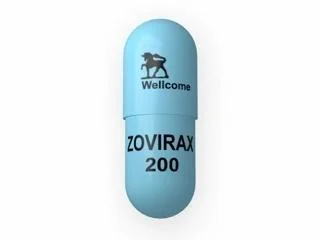
Catalogue matches do not confirm VZV or indicate a safe antiviral medicine, dose or duration.
How does VZV spread?
Chickenpox can spread through respiratory particles and blister fluid. A person with shingles can transmit VZV from lesions to a susceptible contact, causing chickenpox rather than shingles. Covering lesions and avoiding high-risk susceptible contacts may reduce exposure.
When is antiviral treatment considered?
Aciclovir has roles in chickenpox and shingles for selected patients. Benefit depends on illness, timing and complication risk; kidney function and hydration affect safety. Pain after shingles may need separate management under antivirals and clinical follow-up.
When to seek urgent care
Seek urgent care for rash on the forehead, nose or near an eye, eye pain, facial weakness, ear blisters, confusion, severe headache, new weakness, breathing difficulty or widespread disease during immune suppression.