
Tuberculosis
Tuberculosis (TB) is caused by Mycobacterium tuberculosis and most often affects the lungs, though other organs can be involved. Active pulmonary TB can spread through the air; latent infection has no symptoms and is not contagious.
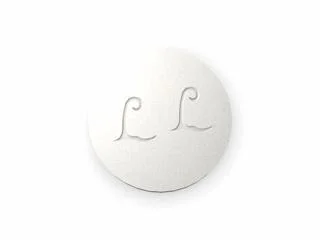

Rifampin Tablets
150 · 300 · 450 · 600mg
Rifampicin tablets in four strengths from 150mg to 600mg, used for tuberculosis and meningococcal carriage. It blocks bacterial RNA polymerase.

Trecator-sc
250mg
Ethionamide 250mg film-coated tablets, used in the management of tuberculosis. A thioamide that blocks peptide synthesis in mycobacteria.
Key points
- Persistent cough, fever, night sweats, weight loss or coughing blood can suggest active TB but require microbiological and imaging assessment.
- Sputum molecular testing and culture help confirm disease and identify resistance; latent infection uses a different diagnostic pathway.
- Active TB requires multiple medicines taken under a coordinated programme; missed or ineffective treatment can promote resistance and ongoing spread.
Catalogue matches do not diagnose TB or define a safe drug combination, dose or duration.
Why are several medicines used?
TB organisms differ in activity and can develop resistance when exposed to inadequate therapy. Regimens vary with drug susceptibility, disease site, previous treatment, age and pregnancy. Public-health follow-up also helps evaluate close contacts.
What monitoring is needed?
Rifampicin and ethambutol have roles in many regimens but important interactions and liver or eye monitoring needs. Resistant disease may require specialist options such as cycloserine; see antibiotics.
When to seek urgent care
Seek urgent care for coughing substantial blood, severe breathlessness, confusion, seizure, marked weakness, dehydration or yellowing of skin during treatment.