
Trigeminal Neuralgia
Trigeminal neuralgia causes recurrent, very brief electric-shock or stabbing pain in one or more trigeminal nerve areas of the face. Light touch, chewing, speaking or cold air may trigger attacks.
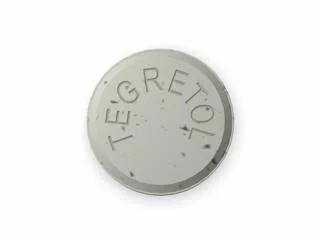
Key points
- Brief unilateral triggered attacks with pain-free intervals are typical; continuous pain, numbness or bilateral symptoms need broader assessment.
- Dental disease, shingles, multiple sclerosis, tumour and other facial-pain causes should be considered; MRI is used selectively.
- Antiseizure medicines can reduce attacks but require interaction, blood, liver, sodium and pregnancy-risk review.
Catalogue matches do not diagnose trigeminal neuralgia or indicate a safe anticonvulsant dose.
What supports the diagnosis?
The precise distribution, trigger zones, attack duration and neurological examination matter. Dental procedures should not be repeated for unexplained shock-like pain without evidence of dental disease.
How is pain controlled?
Carbamazepine is commonly used when the diagnosis is typical, but response does not prove the cause. It has genetic, blood, liver, sodium and interaction considerations. Specialist procedures may be discussed when medicines fail or are not tolerated; see neurology.
When to seek urgent care
Seek urgent assessment for facial pain with new weakness or numbness, vision loss, severe headache, fever, confusion, a blistering rash near the eye or difficulty swallowing.