
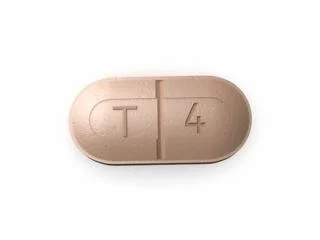
Levothroid
25 · 50mcg
Levothyroxine 25mcg and 50mcg tablets, used in the management of hypothyroidism and thyroid-stimulating hormone suppression. Synthetic T4.
From$0.15/ tabletView
Thyroid-stimulating hormone (TSH) suppression is a treatment strategy, mainly for selected differentiated thyroid cancers. It uses thyroid hormone to reduce growth stimulation of remaining thyroid cells, while balancing harms from hormone excess.
25 · 50mcg
Levothyroxine 25mcg and 50mcg tablets, used in the management of hypothyroidism and thyroid-stimulating hormone suppression. Synthetic T4.
Catalogue matches do not set a TSH target or indicate a safe levothyroxine dose.
Benefit is greater for some higher-risk or persistent differentiated thyroid cancers than for low-risk disease with an excellent response. The oncology and endocrine team reviews pathology, imaging and tumour markers over time.
Levothyroxine replaces thyroid hormone and, at a sufficient dose, lowers pituitary TSH. Absorption, other medicines, pregnancy and adherence affect results. Monitoring under thyroid health care prevents a fixed historical target continuing after risk changes.
Seek urgent care for chest pain, fainting, severe breathlessness, a sustained rapid or irregular heartbeat, confusion or marked weakness during suppressive therapy.